


AI Summary
If you’re having issues receiving your WordPress emails, installing WP Mail SMTP is the easiest way to fix the problem.
But even though WP Mail SMTP is really easy to set up and use, there are still a few common pitfalls you can run into while using the plugin.
In this post, I’ll go over some of the most common WP Mail SMTP issues and give you simple troubleshooting tips to help you resolve them.
Common WP Mail SMTP Issues
- Issue 1: WP Mail SMTP Not Sending Test Email
- Issue 2: Could Not Connect to SMTP Host Error
- Issue 3: WP Mail SMTP Not Working With Gmail
- Issue 4: WordPress Emails in Spam Folder or Not Delivered
- Issue 5: Too Many Email Summaries
- Issue 6: Email Formatting Problems
- Issue 7: Rate Limiting and Bulk Email Sending
- More Help for Troubleshooting WP Mail SMTP
- FAQs About WP Mail SMTP
Issue 1: WP Mail SMTP Not Sending Test Email
So you’ve installed WP Mail SMTP, gone through the setup wizard, and you’re ready to confirm everything is ready to go. But your test email fails. What’s going on?
Firstly, don’t panic! This is a very common problem and it doesn’t mean the plugin doesn’t work. There are several reasons why WP Mail SMTP isn’t sending the test email, and most of them are very easy to fix.
Start with the basics. The first thing to check is whether you’ve actually chosen a mailer. If you’ve left the mailer setting on Default, WP Mail SMTP is essentially “off” and your emails are still being sent directly from WordPress. Make sure you’ve selected one of the mailer options in the plugin settings.
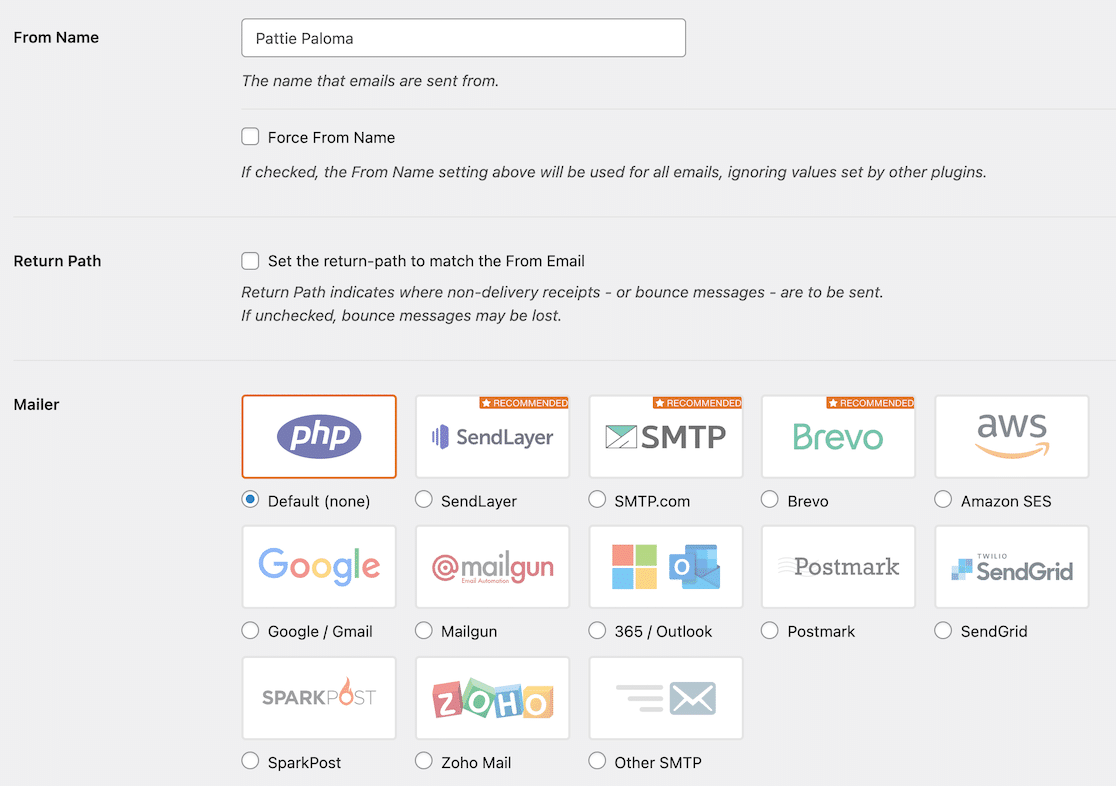
Next, carefully review all your mailer configuration settings. This is the most common place where errors creep in. It’s easy to mistype, paste the wrong credentials, or choose the wrong setting.
The setup for each email service is slightly different, so make sure to follow the documentation for the mailer you’re using:
- SendLayer
- SMTP.com
- Brevo
- Amazon SES
- Google Workspace / Gmail
- Mailgun
- Microsoft 365 / Outlook.com
- Postmark
- SendGrid
- SparkPost
- Zoho Mail
- Other SMTP
Further Troubleshooting Steps
If you’ve verified your mailer and configuration, here are some other things to check in your WP Mail SMTP setup:
1. Deactivate any other SMTP plugins: Using two SMTP plugins on your site can cause conflicts. Check your WordPress plugins page and deactivate any other SMTP plugins you have installed.
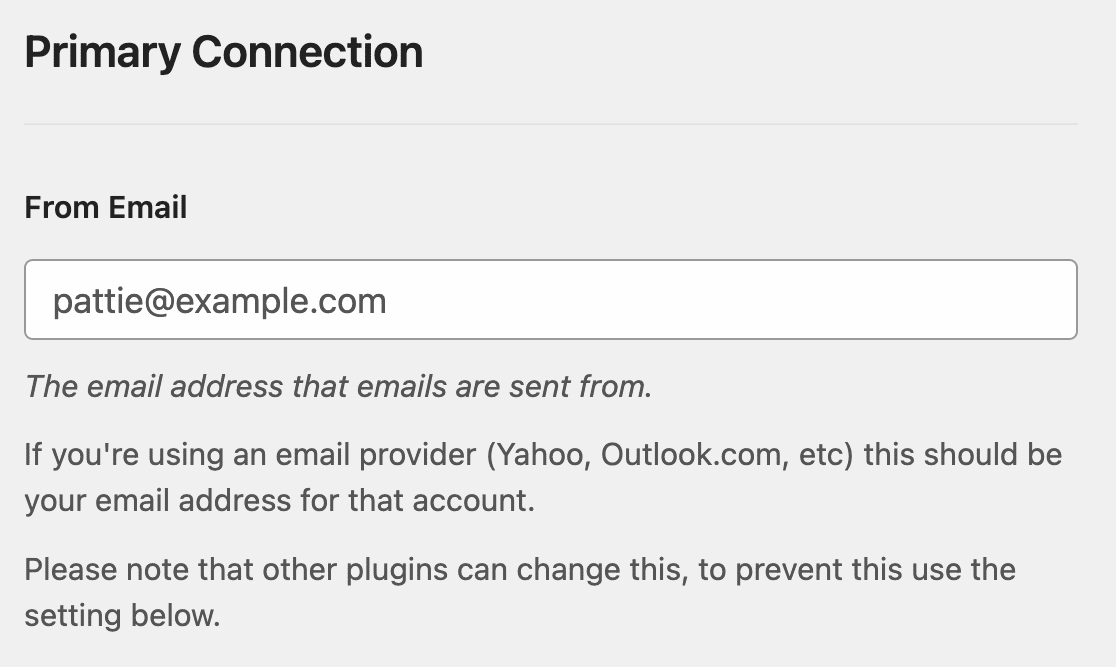
2. Double-check your “From” email: The “From” email should usually match your domain. For example, if your domain is example.com, your “From” email should be [email protected].
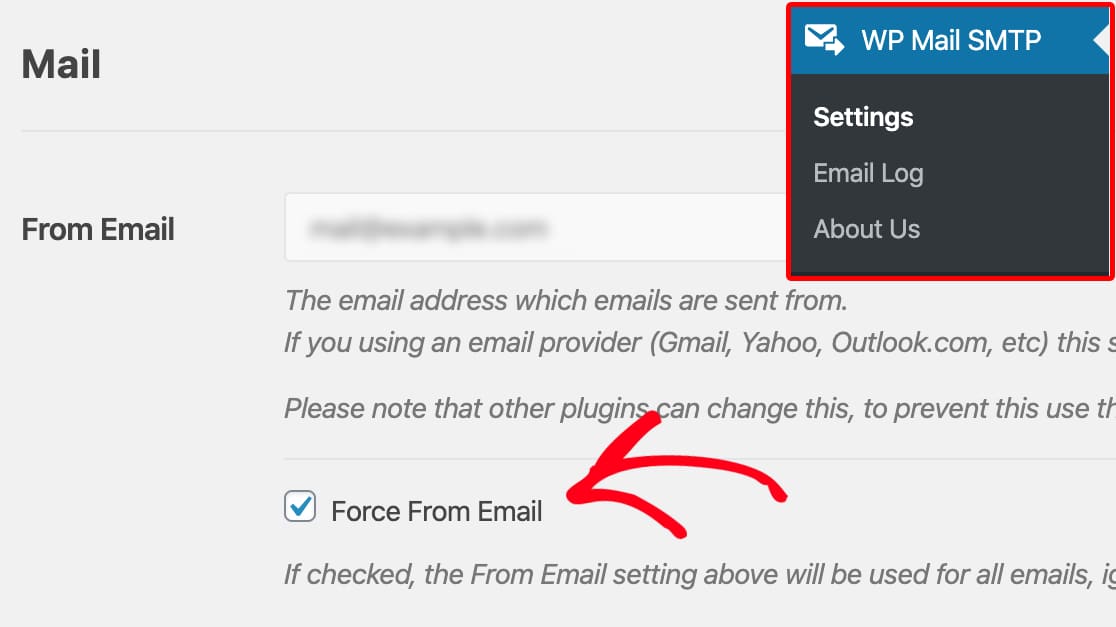
3. Choose the Force From Email option: In WP Mail SMTP settings, choose the Force From Email option. This stops other plugins from changing your email address.
4. Try different encryption methods: Many transactional email services only support TLS, since it’s more secure, so it’s best to try this first. If you’ve already selected TLS and it’s not working, try SSL to see if that fixes the issue.
5. Update your software: Make sure you have the latest versions of both WP Mail SMTP and WordPress. Outdated plugins and WordPress versions can sometimes cause problems, so keeping everything up to date is important.
6. Check your SMTP server access: Some web hosts block SMTP ports or restrict outgoing emails. It’s worth checking with your hosting provider to make sure the required SMTP ports are open.
I’ve written a full guide to how to fix WP Mail SMTP not sending test emails, so be sure to check that out for full instructions.
If you’ve gone through all these steps and you’re still experiencing issues, don’t worry. Our trusted advisors are here to help and can investigate in more detail. Get in touch to request personalized support.
Issue 2: Could Not Connect to SMTP Host Error
The “Could Not Connect to SMTP Host” error happens when WP Mail SMTP can’t establish a connection with your chosen email service provider.
When you understand how SMTP works, you’ll realize there are a lot of places where something can go wrong! Like the “not sending test email” issue, this error is usually caused by a misconfiguration in the plugin settings.
Let’s walk through the troubleshooting steps to resolve this.
- Check your SMTP host and port: One of the most frequent causes is entering the wrong SMTP host or port. Double-check the details provided by your email service provider, and look out for typos or outdated server information.
- Verify your login credentials: Another common issue is incorrect login information. Make sure your username and password are entered correctly, and if you’re using Gmail or another service that supports app passwords, ensure you’ve generated and entered the app password correctly. App passwords are different from your regular account password.
- Try changing the encryption method: Sometimes the encryption method causes connection issues. If you’re using SSL, try switching to TLS, or vice versa. Some hosting environments have trouble with one but work fine with the other. Always use the method recommended by your email service provider.
- Disable firewall and security plugins: Security plugins or server firewalls can block the connection to the SMTP server. Try disabling them temporarily to test. If that resolves it, you may need to whitelist WP Mail SMTP in your security settings. Remember to re-enable your security measures afterward.
- Use a different mailer: Testing with a different mailer helps isolate whether the issue is your email service or your server. If you’re still having problems, try configuring a different mailer in WP Mail SMTP.
You can see more troubleshooting ideas and detailed instructions in our step-by-step guide. If you’ve worked through all these steps and still see the error, it’s time to seek further assistance.
Reach out to your email service provider’s support team, since they can identify server-side issues that might be blocking the SMTP connection.
If you’re using WP Mail SMTP Pro, consider a Backup Connection. This lets you configure a secondary mailer that WP Mail SMTP uses automatically if your primary mailer fails, so your emails aren’t interrupted.
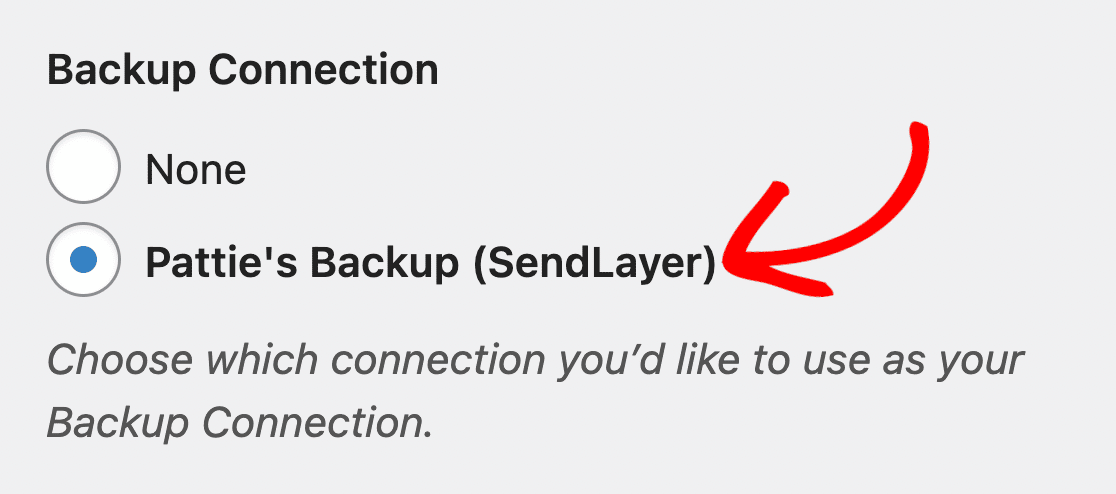
If you’re still stuck, don’t hesitate to reach out to the WP Mail SMTP support team. They can help resolve any persistent issues and get your emails flowing smoothly.
Issue 3: WP Mail SMTP Not Working With Gmail
Gmail is a popular choice for sending WordPress emails, but setting it up with WP Mail SMTP can be trickier than other mailers. Let’s walk through the common issues and their solutions.
Manual Setup for Lite Users
If you’re using the Lite (free) version or you prefer to set everything up manually, follow the steps in our documentation to set up the Gmail mailer.
Just as with the “Could Not Connect to SMTP Host” error, your first step should be to double-check all your settings. Make sure you’ve created a web app as instructed in our documentation, and that you’ve copied the Client ID and Client secret without any extra spaces.
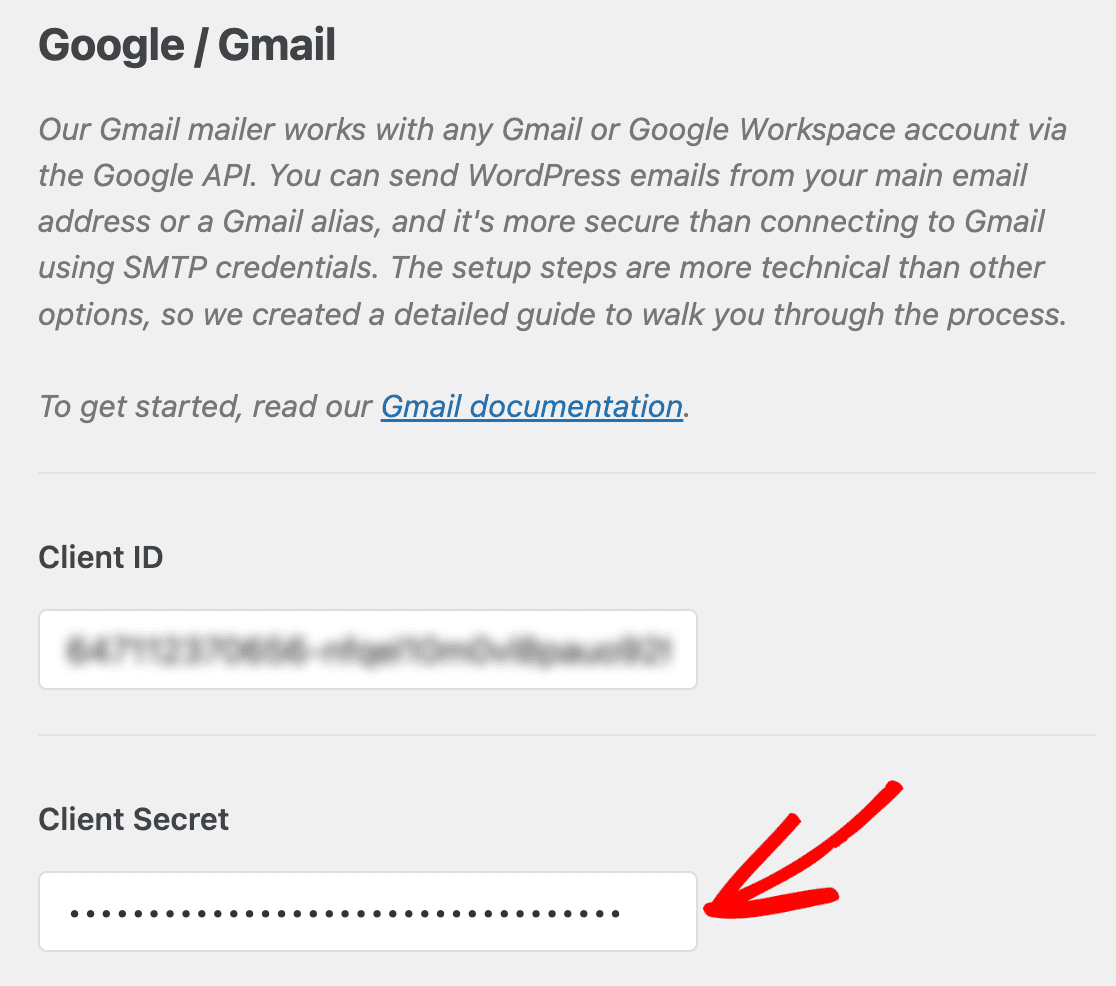
Google has phased out the “Allow less secure apps” option, so you must now use OAuth authentication or an app password. If you initially set up WP Mail SMTP using the “Other SMTP” option with your Gmail credentials, you need to switch to the Gmail mailer and use an app password.
Troubleshooting “Access Blocked” Errors
Are you getting an “Access blocked” error? If you haven’t correctly completed the setup of your Google app, you may see a message saying your app “has not completed the verification process” or “is restricted to users within its organization.”
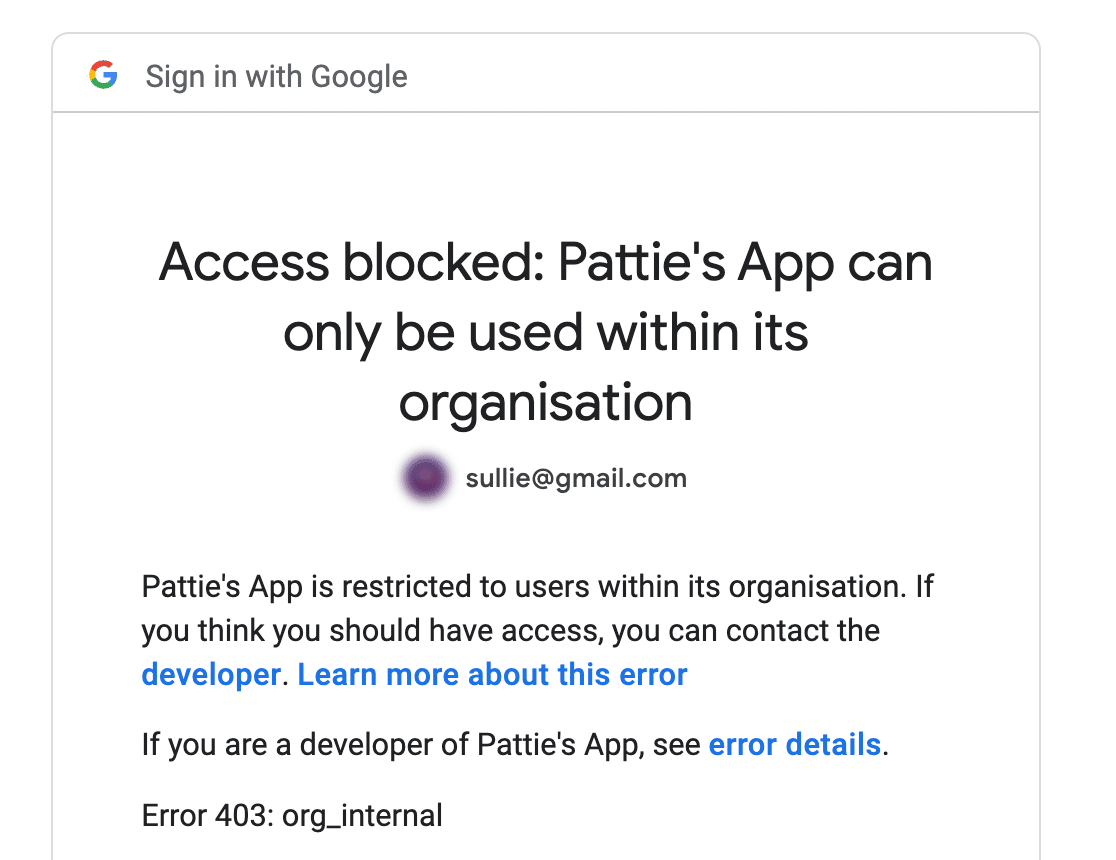
This typically happens when the OAuth verification process for your app hasn’t been completed. It means the app is still in “Testing” mode and can only be used by email accounts you’ve explicitly added as testers.
To resolve it, click the button to Publish App or Make External, depending on whether you’re using Gmail or Google Workspace.
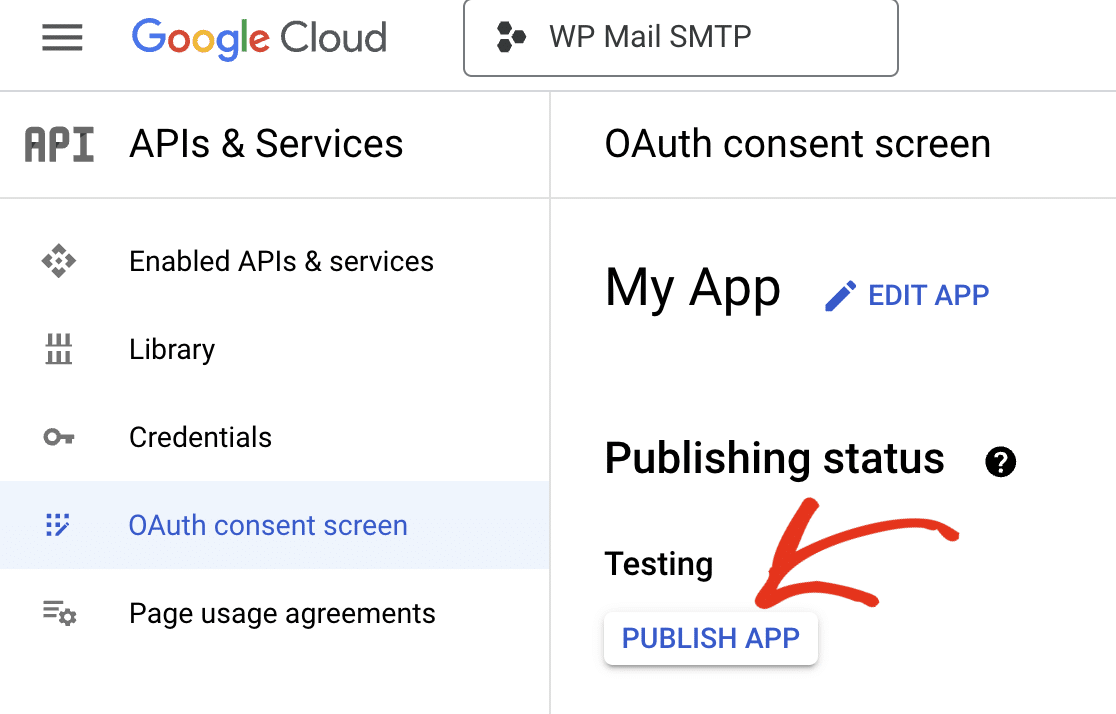
This is covered in the step-by-step instructions in our documentation for using WP Mail SMTP with Gmail and Google Workspace.
Gmail Sending Limits
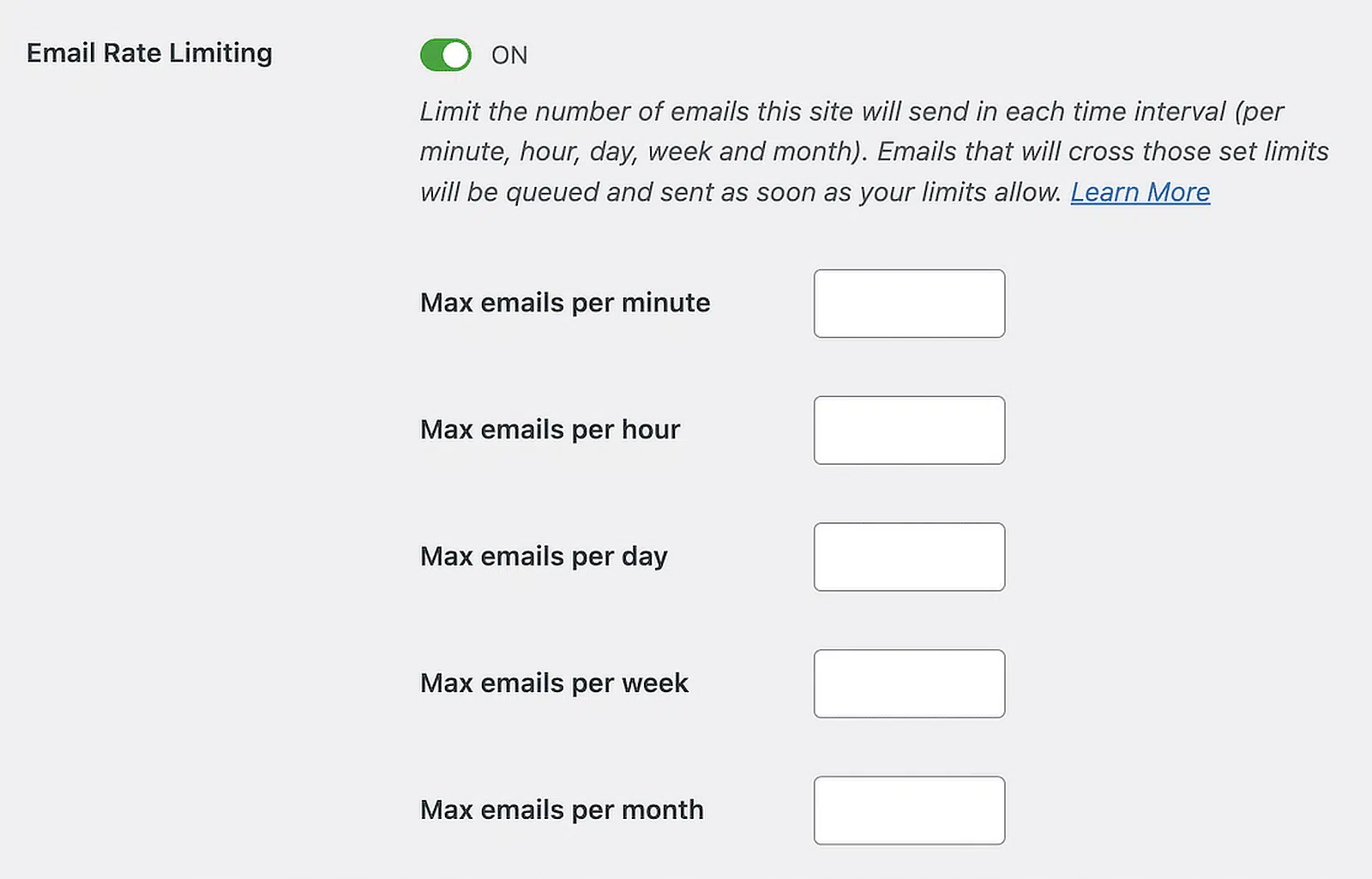
Finally, if your WordPress site sends a lot of emails, you might be hitting Gmail limits. Free Gmail accounts are limited to 500 emails per day, and Google Workspace accounts to 2,000. There are also rate limits to prevent spamming, which can be an issue if your site bulk-sends email.
You can use the rate limiting option in WP Mail SMTP to slow the rate at which you send emails.
If Gmail continues to be problematic, consider a dedicated transactional email service like SendLayer, SMTP.com, or Brevo, which are designed for sending bulk email from websites and often have better deliverability.
See our full guide to WP Mail SMTP mailers to help you choose a suitable email service.
Issue 4: WordPress Emails in Spam Folder or Not Delivered
You’ve set up WP Mail SMTP and the test email works. Great! But what if you’re still not getting form notifications or other emails from your site? Let’s look at why this happens and how to fix it.
If your WP Mail SMTP email log shows emails are being sent but they’re not reaching inboxes or they’re landing in spam, you’re facing a deliverability issue. In other words, your emails aren’t being accepted or delivered by the receiving mail provider.
Email Authentication
Emails without proper SPF, DKIM, and DMARC authentication may not be delivered, or may be marked as spam by certain providers.
Google and Yahoo updated their sender requirements in early 2024 to require email authentication, and other providers have followed suit. WP Mail SMTP makes it easy to check whether your emails are properly authenticated.
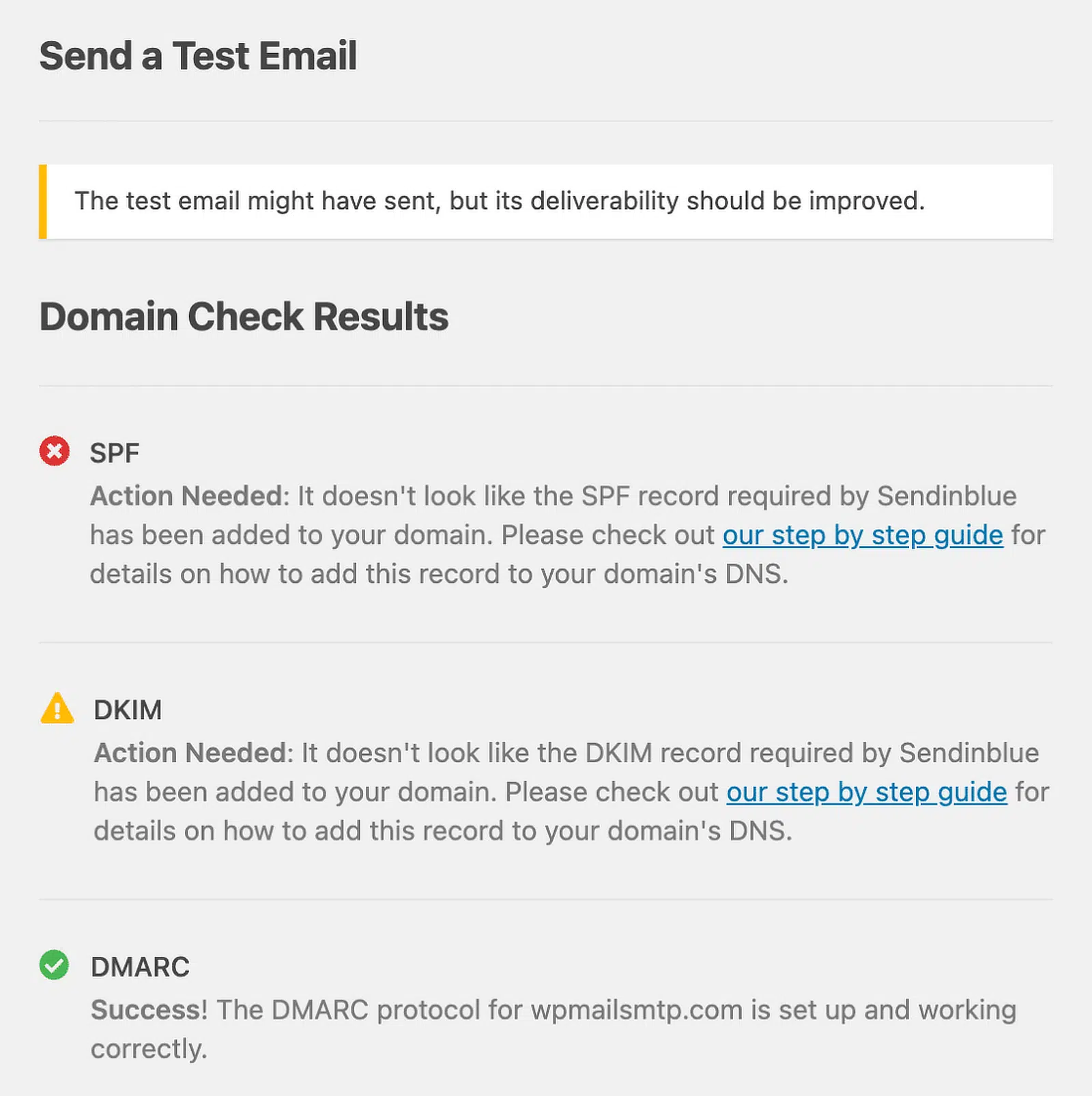
You can use the WP Mail SMTP email test to confirm your WordPress emails are working and check your SPF, DKIM, and DMARC records at the same time.
Other Reasons for Poor Deliverability
If authentication isn’t the issue, there are other reasons emails don’t get delivered. You could have a poor sender-domain or IP reputation, your domain or IP may be on a blacklist, or your deliverability score may be low because a lot of users marked your emails as spam or engagement is low (recipients aren’t opening, reading, or clicking).
Emails with certain content (like spam-trigger words) or links to blacklisted domains can also be flagged. Review the content of your emails, make sure links point to reputable sites, and avoid spam-trigger words.
Read our beginner’s guide to email deliverability to understand each of these issues in more detail and improve your deliverability.
You can also send a test to the free Mail Tester service, which reviews authentication, reputation, and content, then gives you a report with suggestions.
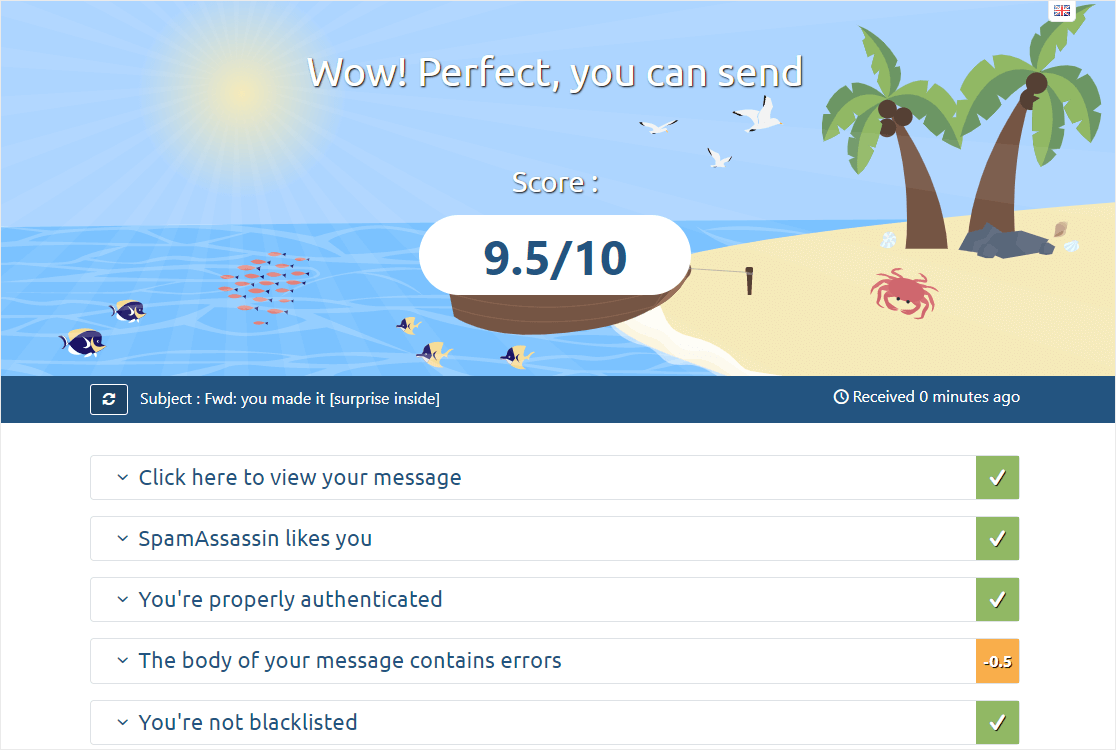
Improving deliverability takes time and effort. Don’t get discouraged if it doesn’t work right away. Keep at it, and you’ll see improvement!
If you’ve made all these changes and you’re still having problems, try changing your mailer to a different email service. That’s very easy to do with WP Mail SMTP, and many services offer free trials, so it’s quick to see if your mail provider is at fault.
Issue 5: Too Many Email Summaries
WP Mail SMTP sends a summary email each week showing how many emails were sent from your site and how they performed.
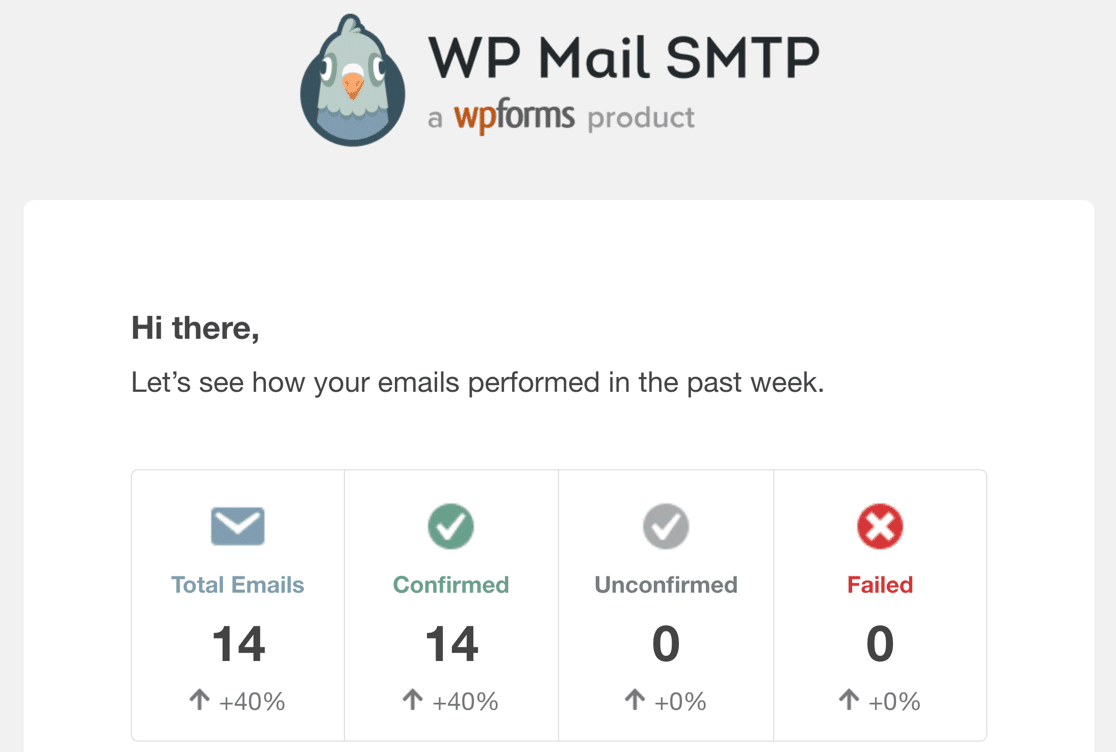
If you prefer not to receive it, you can disable it by navigating to WP Mail SMTP » Settings, clicking the Misc tab, and checking Disable Email Summaries weekly delivery. Make sure to save your settings before leaving the page.
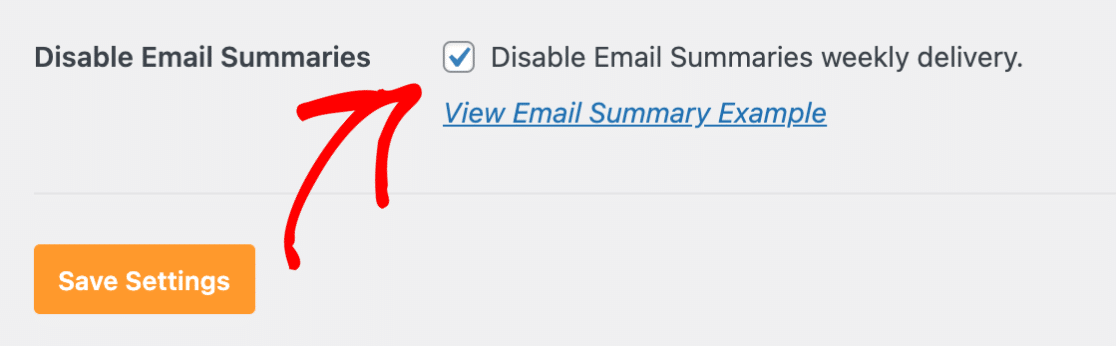
Occasionally, other plugins interfere with the normal operation of WP Mail SMTP and cause this email to send more frequently. If you’re receiving the summary more than once a week, try these steps:
- Update WP Mail SMTP and all other plugins to their latest versions.
- Temporarily deactivate other plugins to check for conflicts. In particular, plugins using an old version of the Action Scheduler library can cause issues.
If the problem persists, it’s best to reach out to the WP Mail SMTP support team to investigate.
Issue 6: Email Formatting Problems
Users often mistakenly attribute formatting issues to WP Mail SMTP. Here are some common formatting problems you might see:
- Plain text emails instead of HTML
- Missing or broken images
- Inconsistent font styles or sizes
- Misaligned content or layout issues
To solve these, check the email settings for the plugin generating the email. For example, WPForms lets you customize your form notifications by selecting and customizing an email template.
Other plugins like WooCommerce have similar settings. To avoid formatting issues, send a test email to make sure everything looks the way you expect.
Issue 7: Rate Limiting and Bulk Email Sending
If you’re sending a large volume of emails through your WordPress site, you may run into rate limiting.
Rate limiting is a practice email service providers use to prevent spam and maintain system stability. It restricts the number of emails you can send within a specific timeframe. Most providers have monthly limits, and many also have daily and hourly limits.
There are three main things you can do to avoid this:
- Use WP Mail SMTP Pro’s rate limiting feature to spread out email sending over time.
- Configure a Backup Connection (available in WP Mail SMTP Pro), so if your primary mailer fails to send (due to rate limiting or other issues), WP Mail SMTP automatically switches to the backup mailer.
- Consider a transactional email service or SMTP provider with higher sending limits.
More Help for Troubleshooting WP Mail SMTP
It’s a good idea to enable error logging in the plugin settings for detailed insights into email sending errors. This helps you (and our support team) figure out exactly what’s going wrong so you can fix the problem easily.
Our documentation covers most common problems and solutions. If you’re still stuck, our trusted advisors are ready to help, and with these resources you’ll resolve most WP Mail SMTP issues quickly and get your emails flowing again.
FAQs About WP Mail SMTP
Our support team helps WP Mail SMTP users with issues every day. Here are some of the most common questions we receive.
Why aren’t my WordPress emails being delivered?
There could be several reasons, including incorrect SMTP settings, email authentication issues, poor sender reputation, or your emails being marked as spam.
What’s the difference between WP Mail SMTP Lite and Pro?
The Pro version adds features like detailed email logging, open and click tracking, failure alerts, and a backup mailer option, plus priority support.
How can I test if my emails are being sent correctly?
WP Mail SMTP has a built-in email testing tool. You can send a test email to verify whether your configuration is working properly.
What should I do if the WP Mail SMTP test email fails?
Double-check your mailer settings, make sure you’ve chosen the correct mailer, verify your login credentials, and check for conflicts with other SMTP plugins.
Can WP Mail SMTP help with emails going to spam?
Yes. By using a proper SMTP configuration and confirming your emails are properly authenticated, WP Mail SMTP improves your deliverability and reduces the chance of your emails being marked as spam. It’s still important to use a reputable email provider and follow deliverability best practices.
How do I set up email authentication (SPF, DKIM, DMARC)?
Email authentication is typically set up through your domain registrar or DNS provider. WP Mail SMTP provides guides on how to set these up for various email services.
What should I do if I’m hitting Gmail’s sending limits?
Consider upgrading to a Google Workspace account for higher limits, or switch to a dedicated transactional email service like SendLayer for high-volume sending.
Next, Set Up Google Postmaster Tools
Postmaster Tools is a free tool from Google that helps you monitor how Gmail handles your mail. Google retired the original version in late 2025 and replaced it with Postmaster Tools v2, which focuses on compliance signals like your spam complaint rate and your SPF, DKIM, and DMARC authentication status rather than the old reputation dashboards.
Read our guide on how to set up Google Postmaster Tools to keep an eye on your spam complaint rate and make sure your important WordPress emails don’t get blocked.
Ready to fix your emails? Get started today with the best WordPress SMTP plugin. If you don’t have the time to fix your emails, you can get full White Glove Setup assistance as an extra purchase, and there’s a 14-day money-back guarantee for all paid plans.
