


AI Summary
Is your Elementor form not sending email notifications? I’ve been in the same spot, wondering if the form was broken or something was misconfigured on the site.
Sometimes emails from Elementor forms disappear or go to spam, making it difficult to respond to messages from your visitors. No confirmation, no alert, just silence.
In this article, I’ll show you how to fix the problem and check for Elementor error messages to troubleshoot your email deliverability. Let’s get started!
Why Is My Elementor Form Not Working?
If your Elementor contact form isn’t working, it’s probably because emails from your site are being treated as spam. When your Elementor form sends an email, it uses the wp_mail() function, which sends email through your hosting provider without authentication.
So when that email gets passed from one server to the next, it gets discarded or filed in the Junk or spam folder. This is a super common problem with WordPress websites and web hosts, and it can happen with almost any contact form plugin.
As of early 2024, Gmail and Yahoo require proper domain authentication (SPF and DKIM) for reliable delivery. Even if your form settings look fine, unauthenticated emails are often blocked or sent to spam.
Thankfully, it’s pretty easy to fix, and usually only requires configuring your site’s SMTP (Simple Mail Transfer Protocol) and updating your DNS records. I’ll show you exactly how below.
Elementor Contact Form Not Sending Email? Here’s What to Do
Let’s check that your Elementor contact form is set up correctly first. After that, we’ll install a plugin that solves your email delivery problem.
- Step 1: Troubleshoot Elementor Form Errors
- Step 2: Check Your Elementor Form Notifications
- Step 3: Install the WP Mail SMTP Plugin
- Step 4: Choose a Reliable SMTP Service for Emails
- Step 5: Send a Test Email From WP Mail SMTP
- Step 6: Resend Failed Elementor Form Emails
- FAQ on Elementor Contact Form Not Sending Email
Step 1: Troubleshoot Elementor Form Errors
If your Elementor contact form isn’t sending email, the number-one thing to check is that the form is actually working on your site.
Sometimes new plugins or themes break your forms. In particular, new caching plugins can cause problems with form submissions, and sometimes the submit button won’t work at all. The error messages you’ll see depend on the form builder you’re using, so let’s look at the most common ones.
Elementor Form Builder Troubleshooting
If you’re using the Elementor Pro form builder, you might see errors like Server_error or An error occurred.
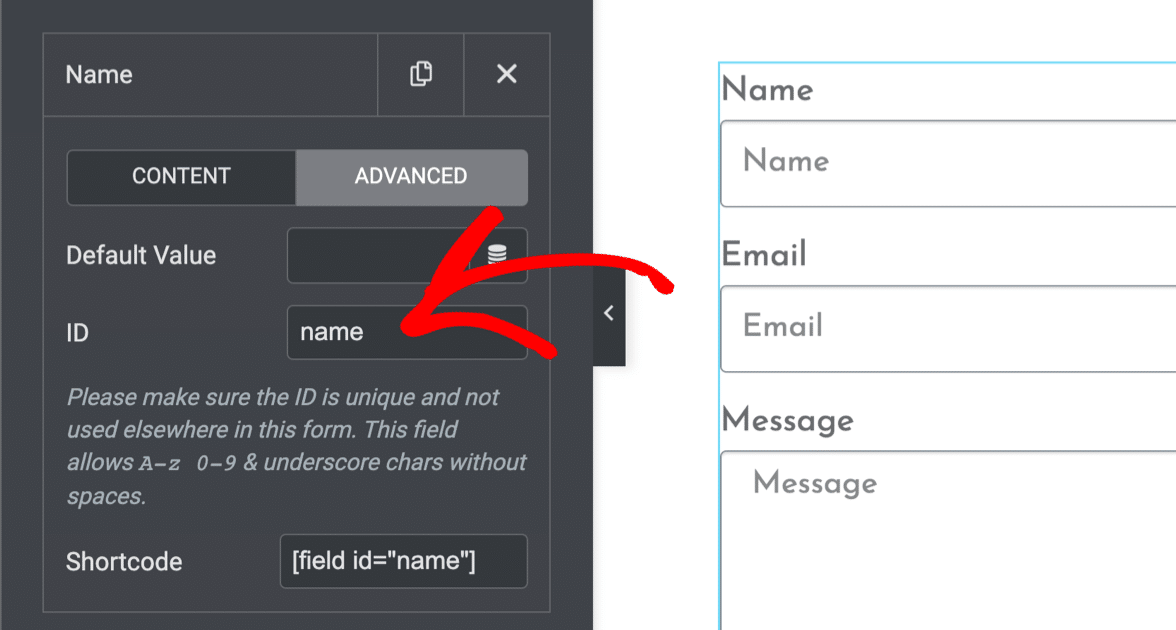
Ensure field IDs are correct: Both of these errors likely mean a field ID is missing in the Elementor form builder. To fix it, open the page with the form in the Elementor page builder, then click each field one by one and check the Advanced tab. There should be an ID assigned to every form field.
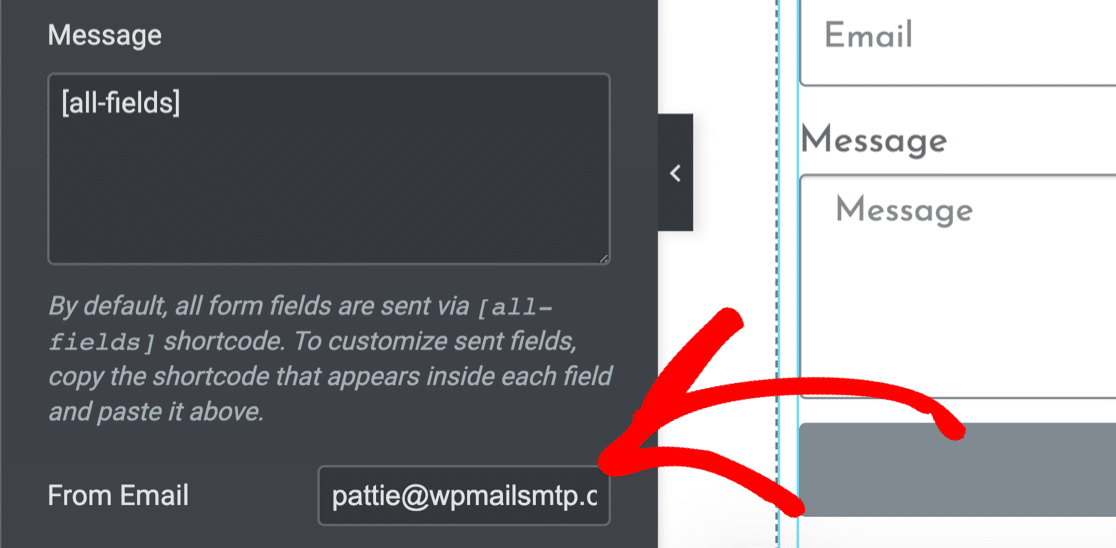
Verify the “From” email address: Make sure the email in the From field is on the same domain as your website. For instance, if your website is “example.com,” your From Email should be something like “[email protected].”
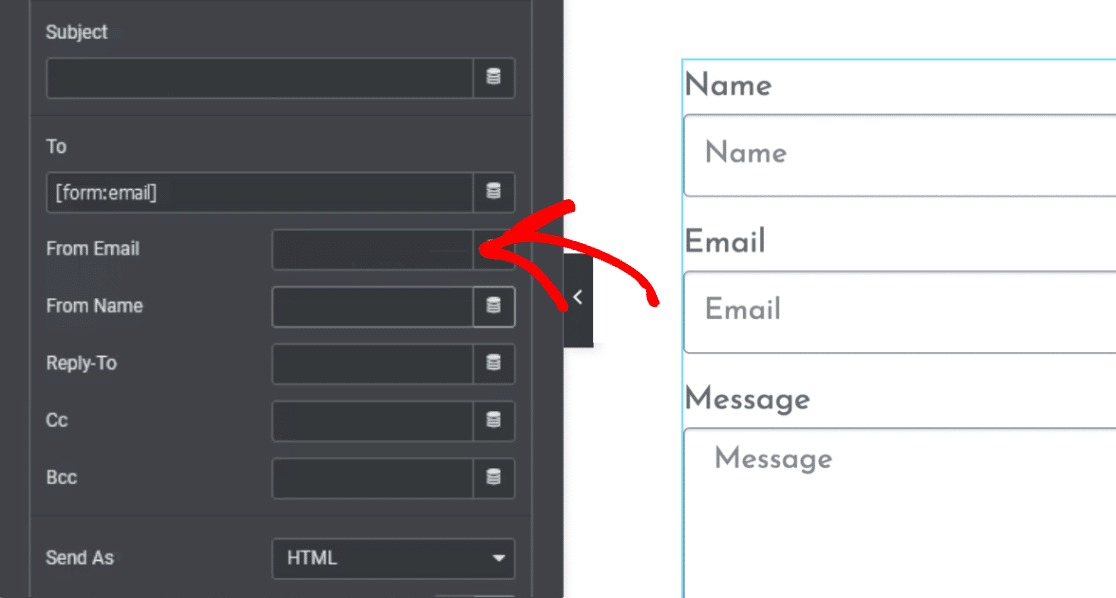
To reply to inquiries, set the Reply-To field to the visitor’s email, and make sure it’s a real address.
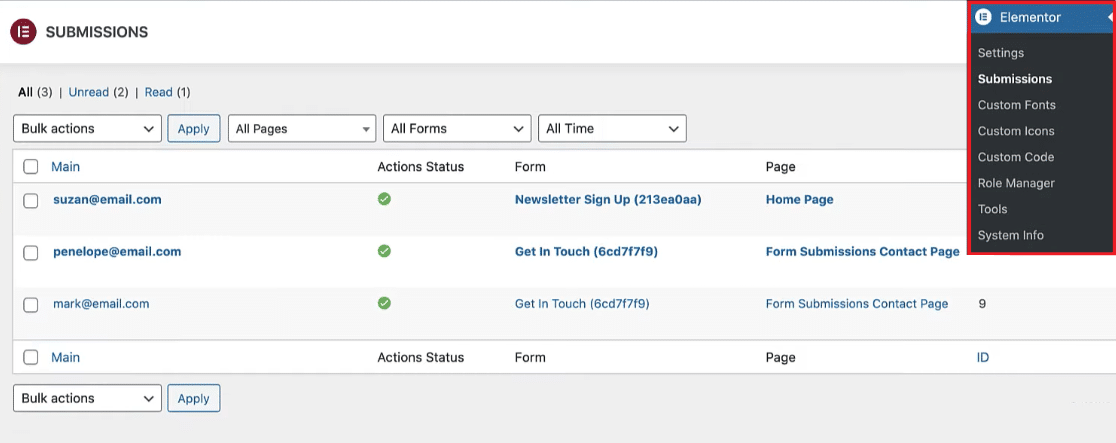
Check form submissions: Elementor’s Form Submissions feature is a good way to verify your form works. Test the form by entering some dummy information, then go to Elementor » Submissions to see whether your dummy entry appears in the list.
Inspect third-party integrations: Temporarily disable integrations like Mailchimp or ActiveCampaign to see if that solves the issue. If it does, revisit your integration settings and make sure required fields aren’t set to “none” and you haven’t included extra fields like “address” or “birthday” in your field mapping.
Test with different email addresses: Your email provider might flag form emails as spam. Try using different email addresses and adjusting your subject line’s length.
WPForms Errors and Troubleshooting
If you want a free form builder that works with Elementor, you can use WPForms. The Lite version is 100% free and works perfectly inside Elementor.
If WPForms isn’t sending notifications in Elementor, the problem is usually a plugin conflict. You might see errors like:
- Form token is invalid: Sometimes caused by caching plugins. Fix it by excluding WPForms’ JavaScript in your cache plugin settings.
- WPForms has detected an issue with JavaScript on this page: This means a JavaScript issue, often from a plugin or theme setting. Disabling minification usually resolves it.
If you can submit your form without seeing any errors, it’s time to check the Elementor contact form email settings.
Step 2: Check Your Elementor Form Notifications
The next step is to check that your contact form has the right email notifications set up. Again, the steps differ slightly depending on how you made your form.
Elementor Form Builder Notifications
If you made your form with the Elementor form builder, open your page in Elementor and click the form you created. In the left-hand sidebar, expand your notification settings and click Actions After Submit » Email to see the notification sent with each submission.
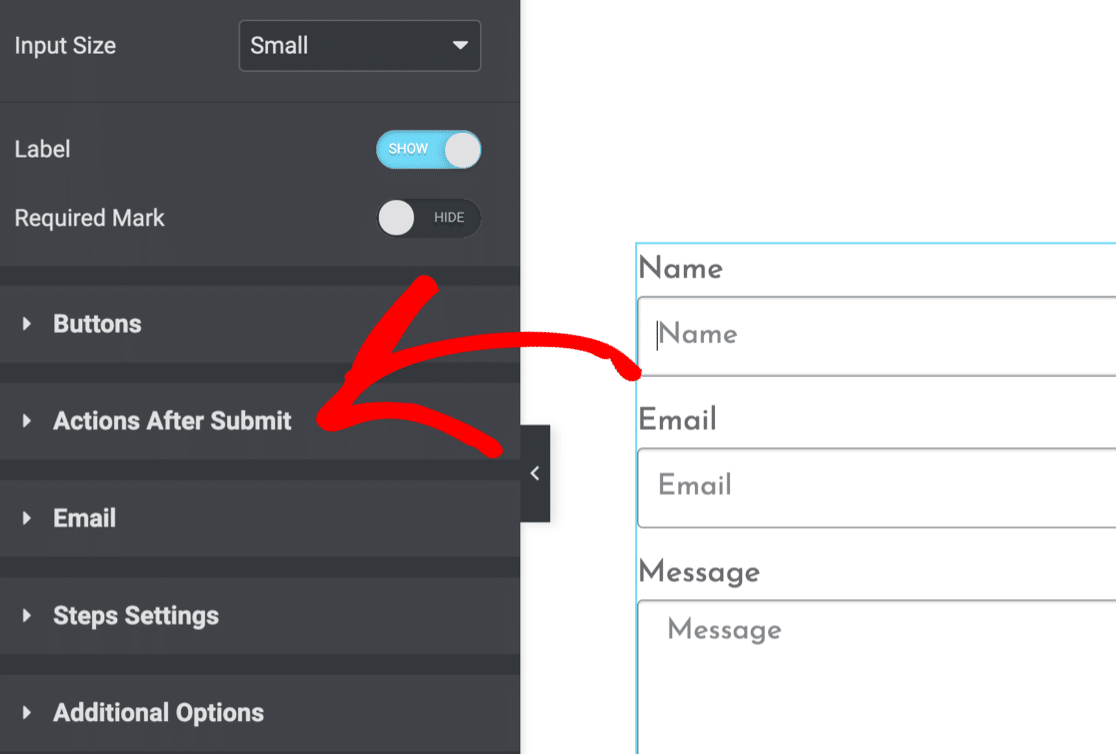
Now check that your notification is set up correctly. Setting the From Email to an address that matches your domain helps avoid delivery problems.
WPForms Notifications
You can also use WPForms to make your Elementor contact form. There are plenty of benefits, for example, WPForms has much better spam protection than the Elementor Pro form builder.
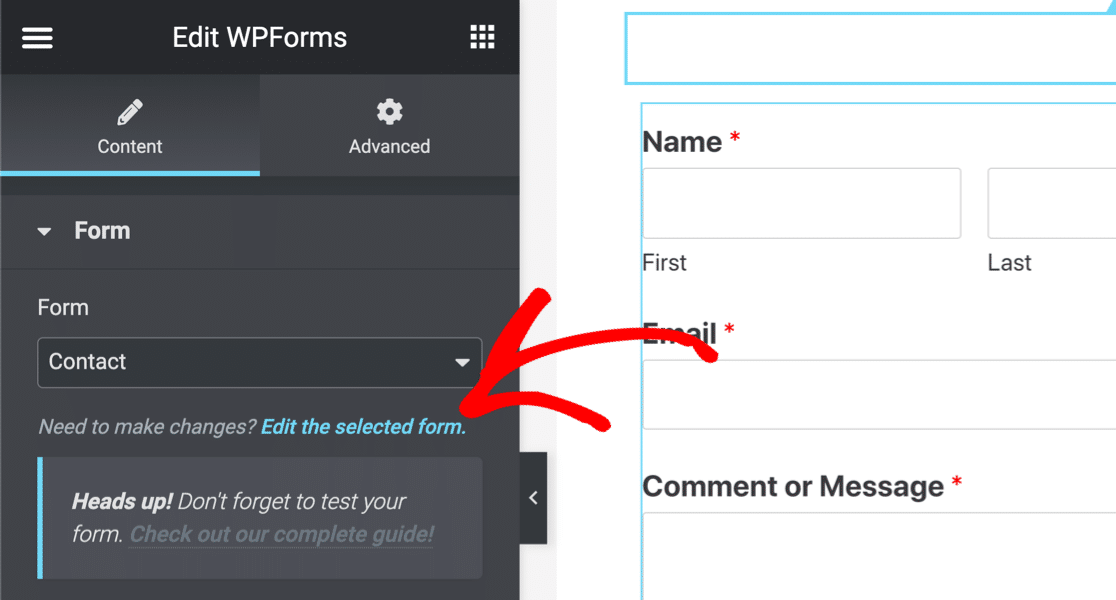
To check your WPForms notifications, open the form page in Elementor, click the embedded form, then click the Edit the selected form link.
When the form builder opens, click Settings » Notifications.
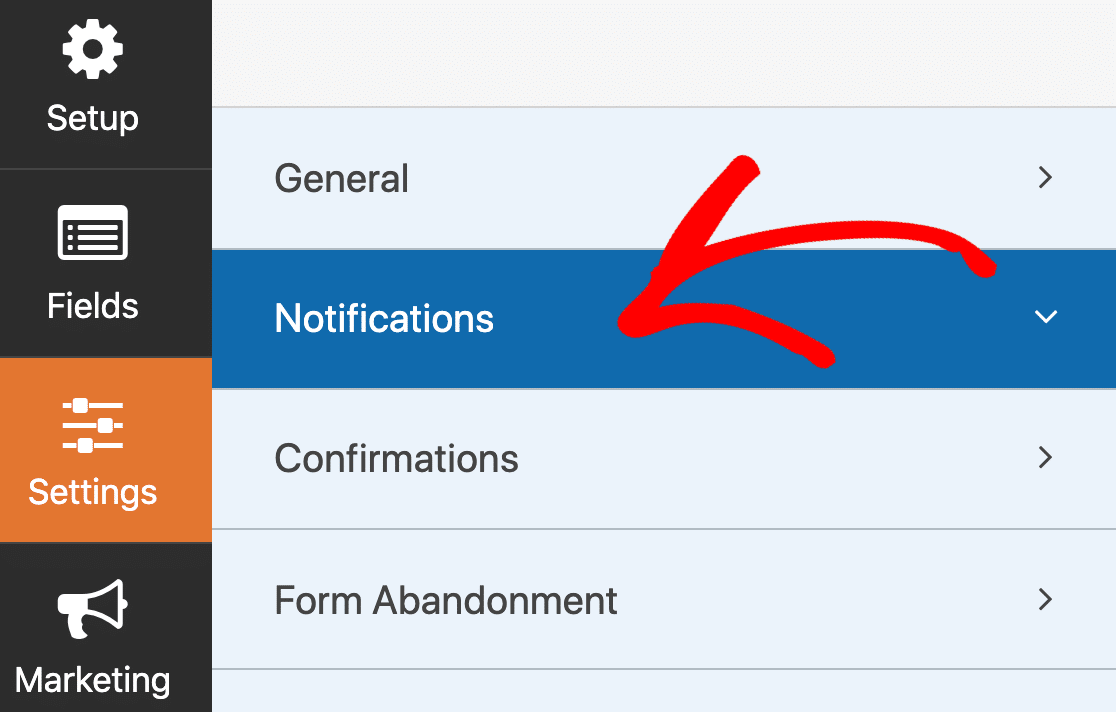
The notification should be turned On, and your Send To Email Address matters. If it’s set to {admin_email}, your form sends notifications to the default WordPress administrator email.
If the administrator email is wrong, you can either change the admin email in WordPress, or delete the {admin_email} tag and type an address manually.
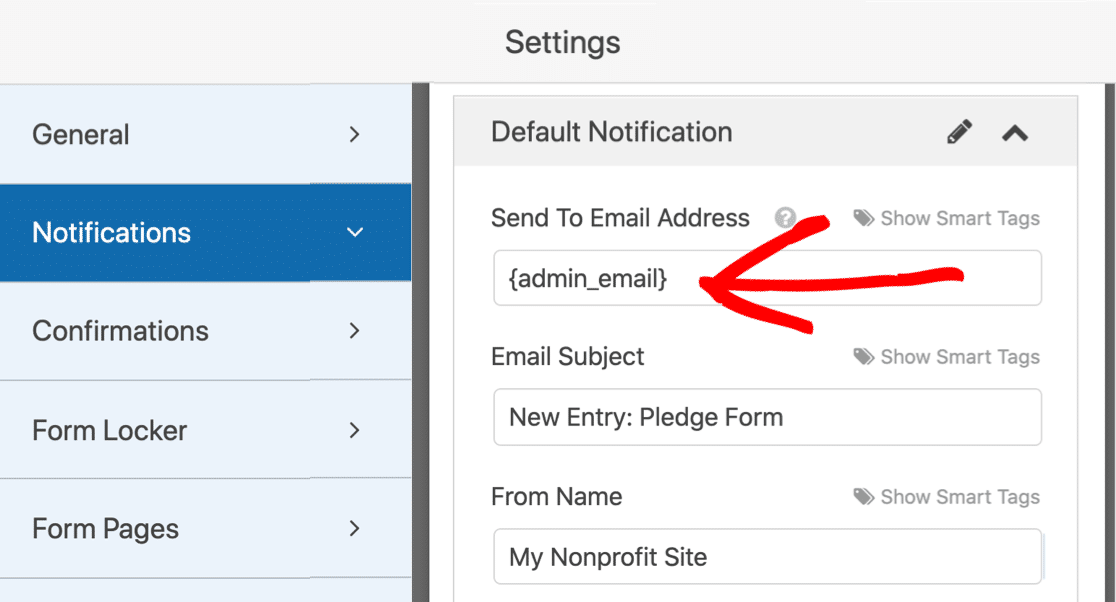
If you’re sending to multiple addresses, separate them with commas in the Send To Email Address field. Click Save, close the builder, and test the form again.
We’ve got more tips in this guide on WPForms not sending email.
Other Form Builders
Using a different form builder? Jump to our guides for Ninja Forms, Gravity Forms, or Essential Addons for Elementor.
Not sure whether to use Elementor Forms vs WPForms? This comparison guide can help. If all your settings look correct and your Elementor form still isn’t sending email, the next step is to install WP Mail SMTP.
Step 3: Install the WP Mail SMTP Plugin
WP Mail SMTP changes the way emails are sent from your WordPress site. Instead of relying on your web server, it re-routes your emails through an external email provider, which authenticates them so they don’t get lost or filed as spam.
The free WP Mail SMTP Lite version fixes the Elementor email problem, so most people can start there. In your WordPress dashboard, go to Plugins » Add New, search for “WP Mail SMTP,” then click Install Now and Activate.
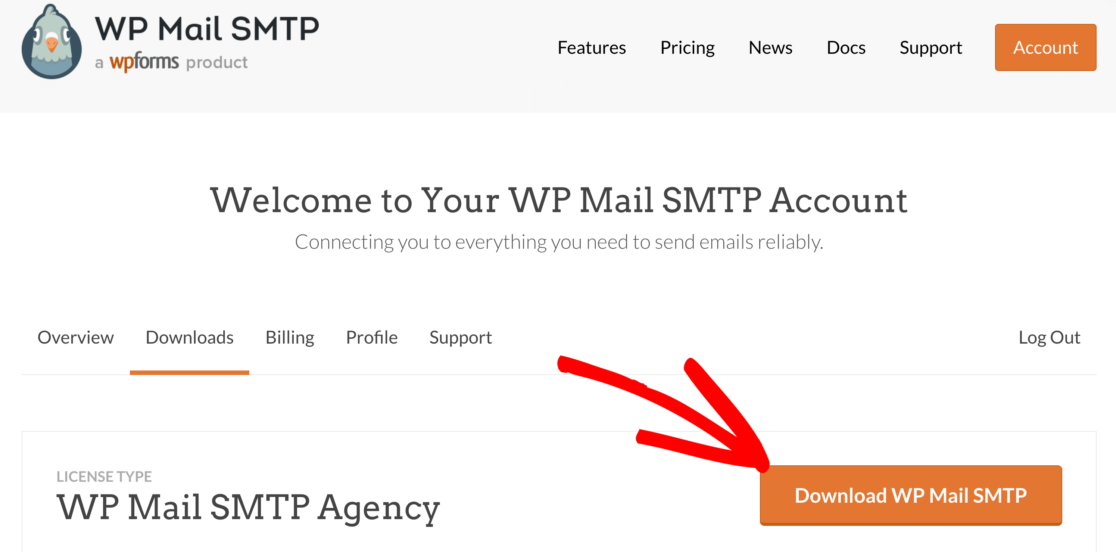
If you have a paid license, you’ll install it slightly differently. Download the zip from the Downloads tab of your WP Mail SMTP account.
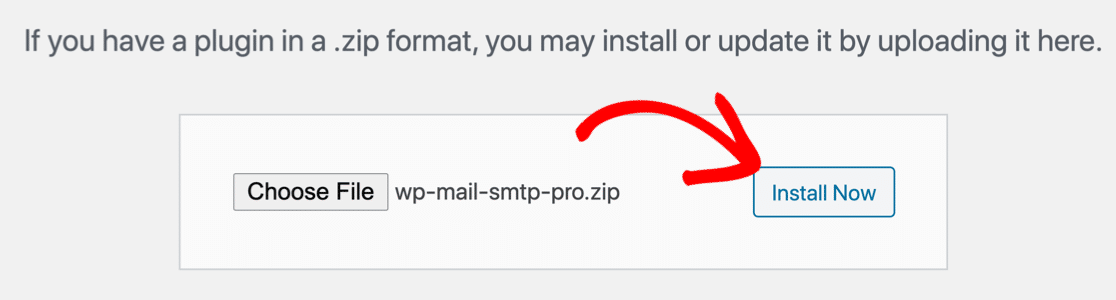
Then go to Plugins » Add New » Upload Plugin, choose the zip, and install it.
Either way, once you Activate the plugin the WP Mail SMTP Setup Wizard opens automatically. If it doesn’t, start it from WP Mail SMTP » Setup Wizard in the WordPress menu.
Step 4: Choose a Reliable SMTP Service for Emails
The Setup Wizard guides you through setting up your new mailing service, which fixes your Elementor contact forms not sending emails. If you already have a mailer set up, running the wizard again will replace it. To start, click Let’s Get Started.
On the next screen, choose your email provider. Which one you pick depends on a few factors:
- Volume of emails: Free providers are best for small websites, while paid mailers give you more capacity.
- Type of emails: If you have an online store, look for a provider that specializes in transactional emails.
If you’re not sure which provider to pick, I recommend SendLayer, SMTP.com, or Brevo.
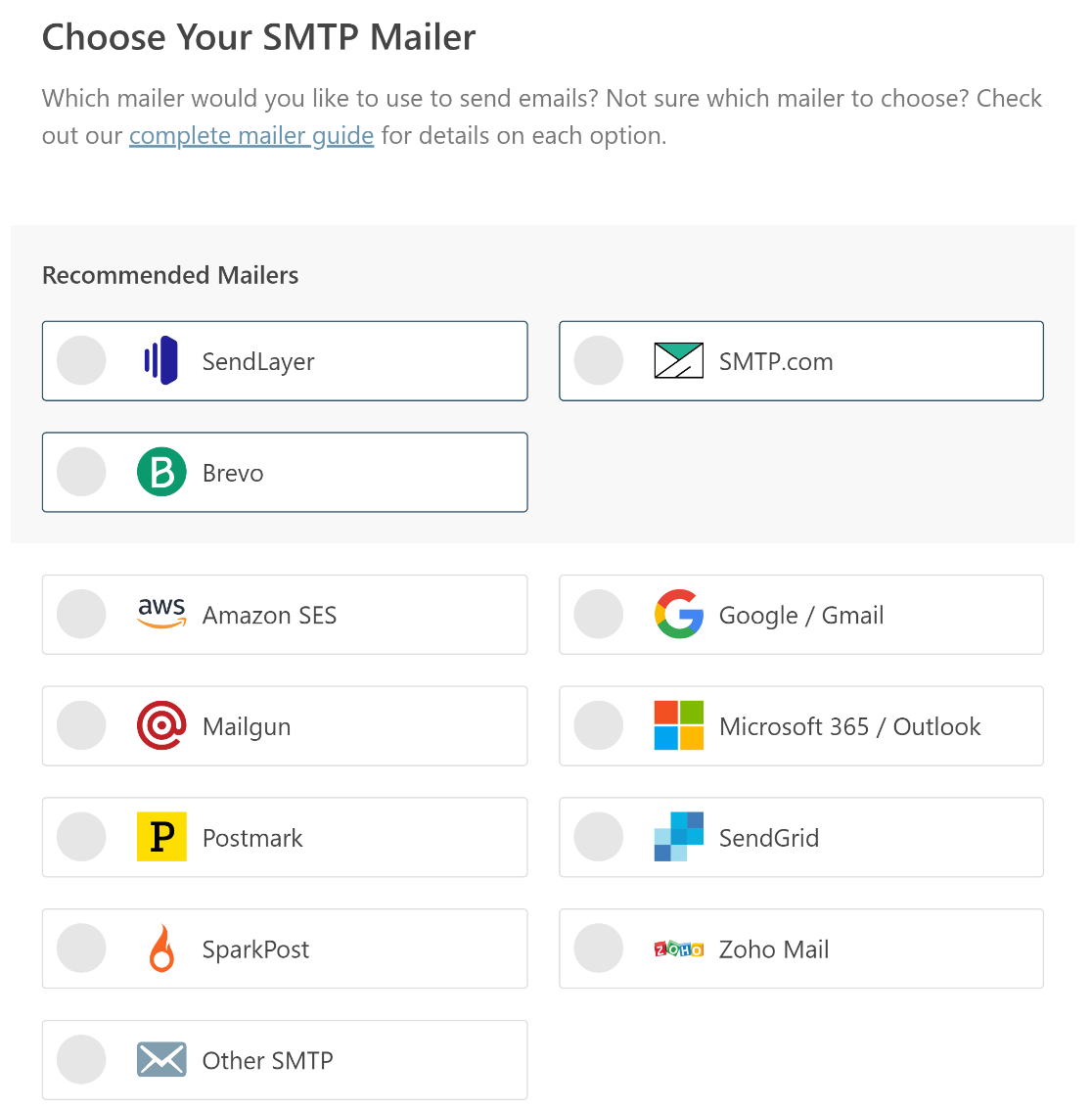
Now jump to the setup instructions for your mailer. Click the link below for the relevant documentation:
| Mailers available in all versions | Mailers in WP Mail SMTP Pro |
|---|---|
| SendLayer | Amazon SES |
| SMTP.com | Microsoft 365 / Outlook.com |
| Brevo | Zoho Mail |
| Google Workspace / Gmail | |
| Mailgun | |
| Postmark | |
| SendGrid | |
| SparkPost | |
| Other SMTP |
Want to set up multiple mailers? You can do so in the Additional Connections settings after the Setup Wizard, then select a Backup Connection and configure Smart Routing. In the next step, Improved Email Deliverability and Email Error Tracking are enabled in the wizard for you.
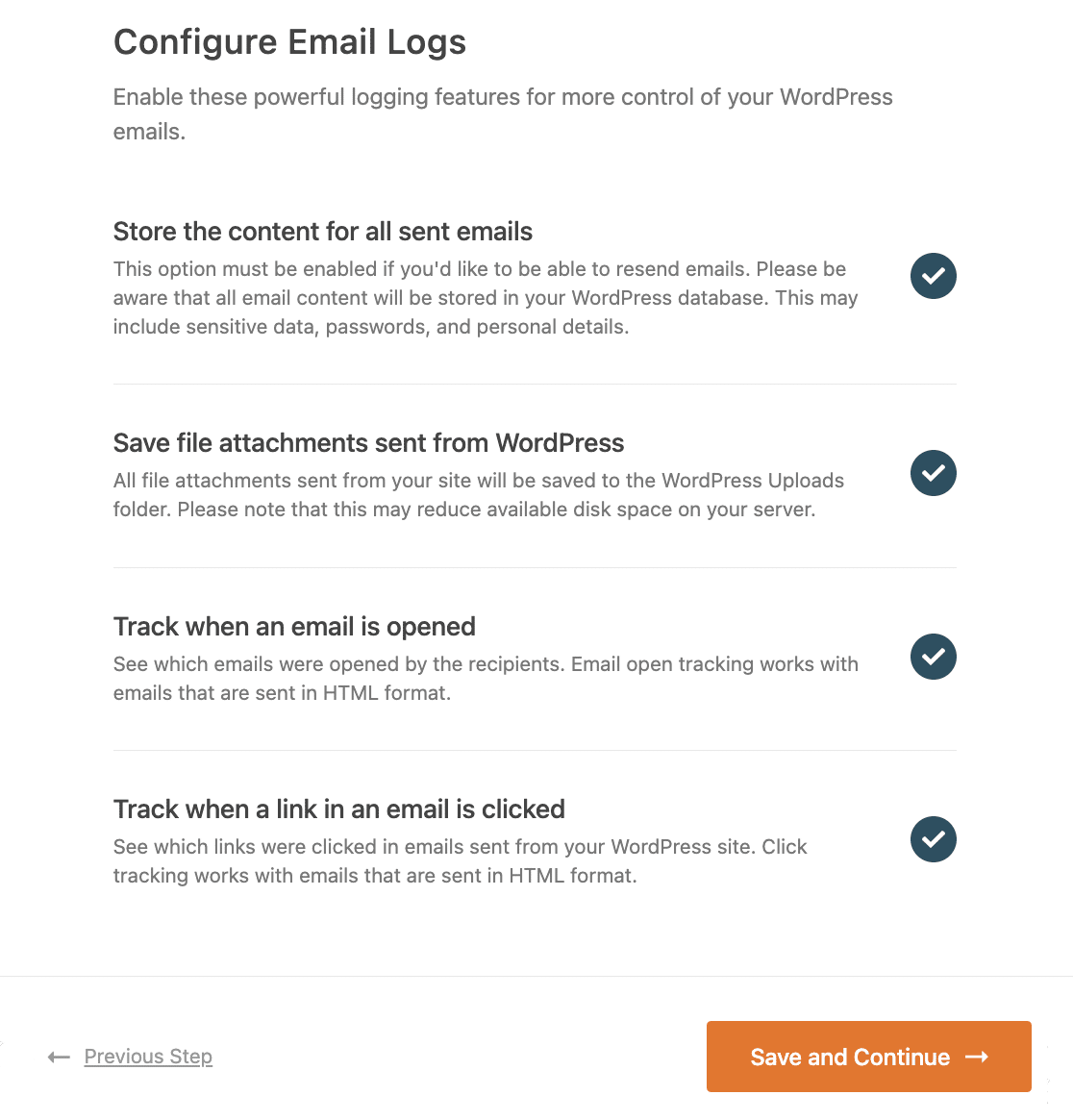
I recommend also enabling Detailed Email Logs and the Weekly Email Summary to get the most out of WP Mail SMTP.
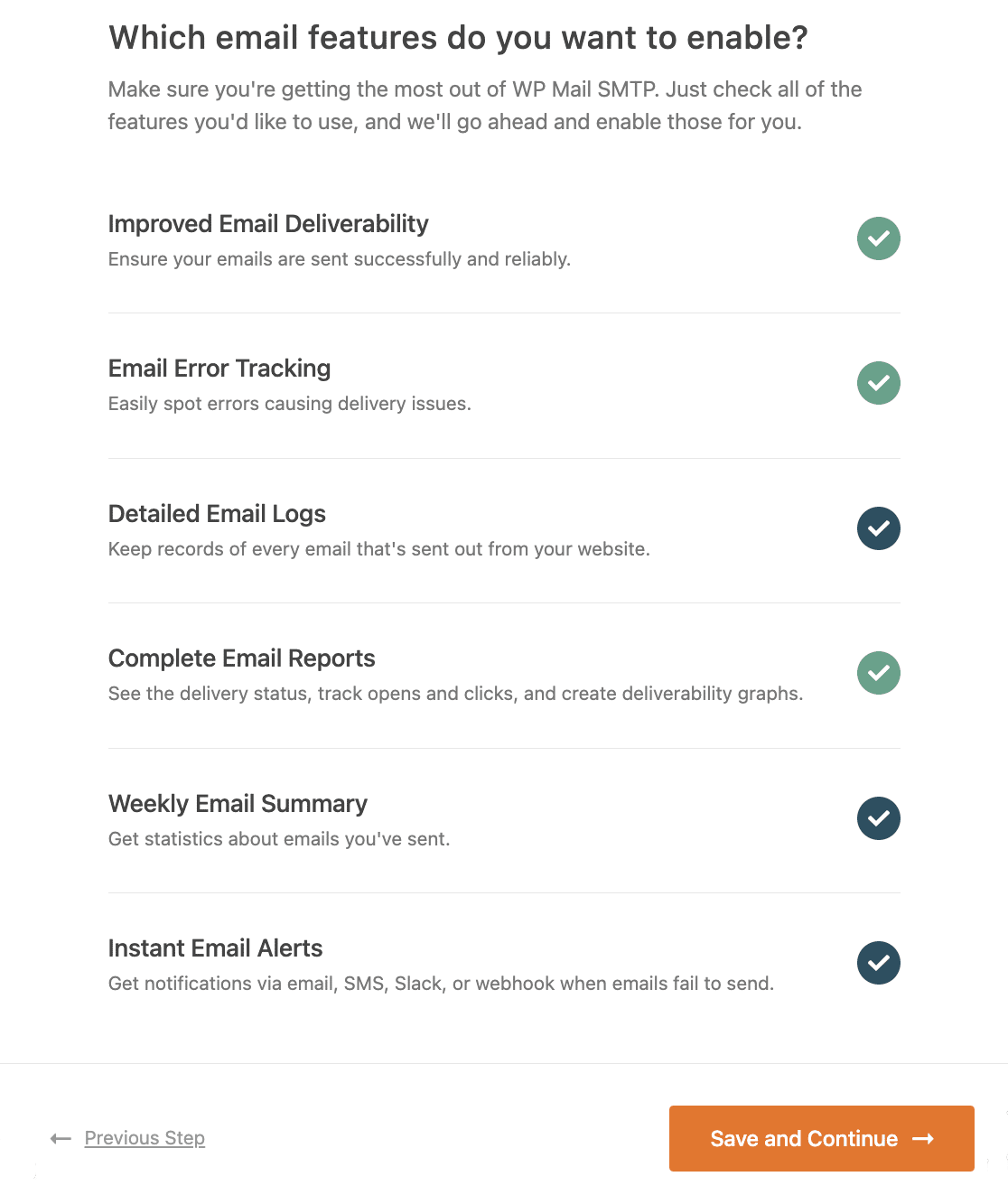
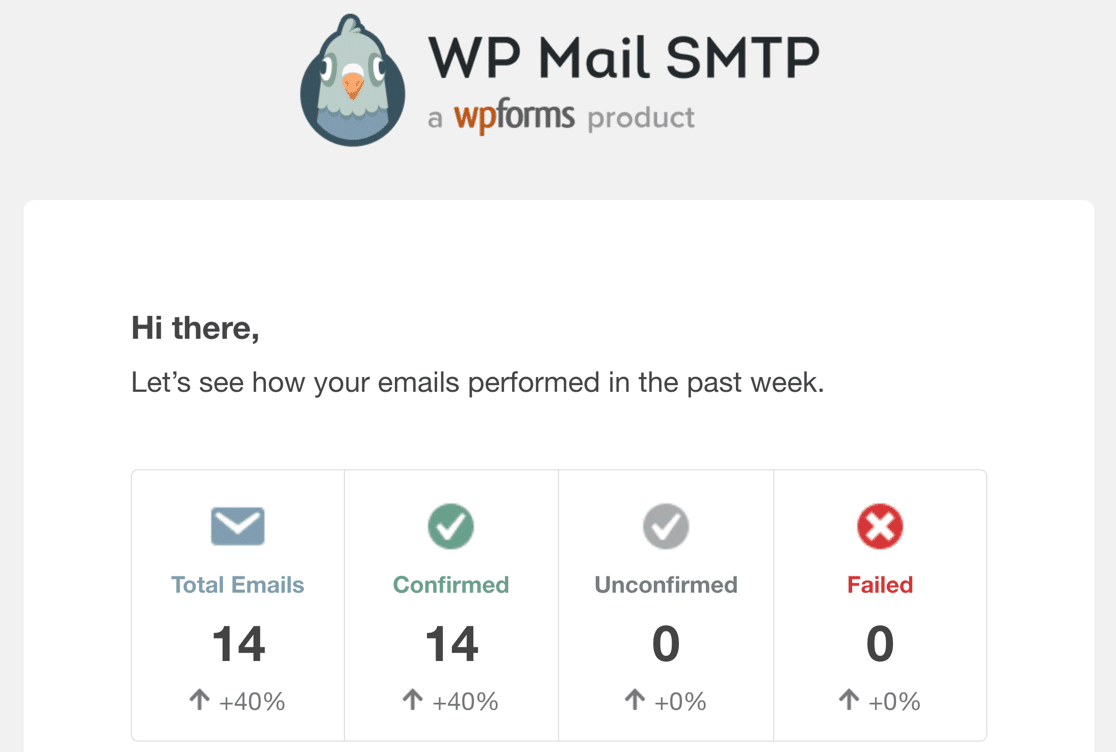
Detailed Email Logs keep a record of each email sent from your site in Complete Email Reports, including headers, subject line, date sent, and status. If you enable the Weekly Email Summary, you’ll get an email each week with full statistics.
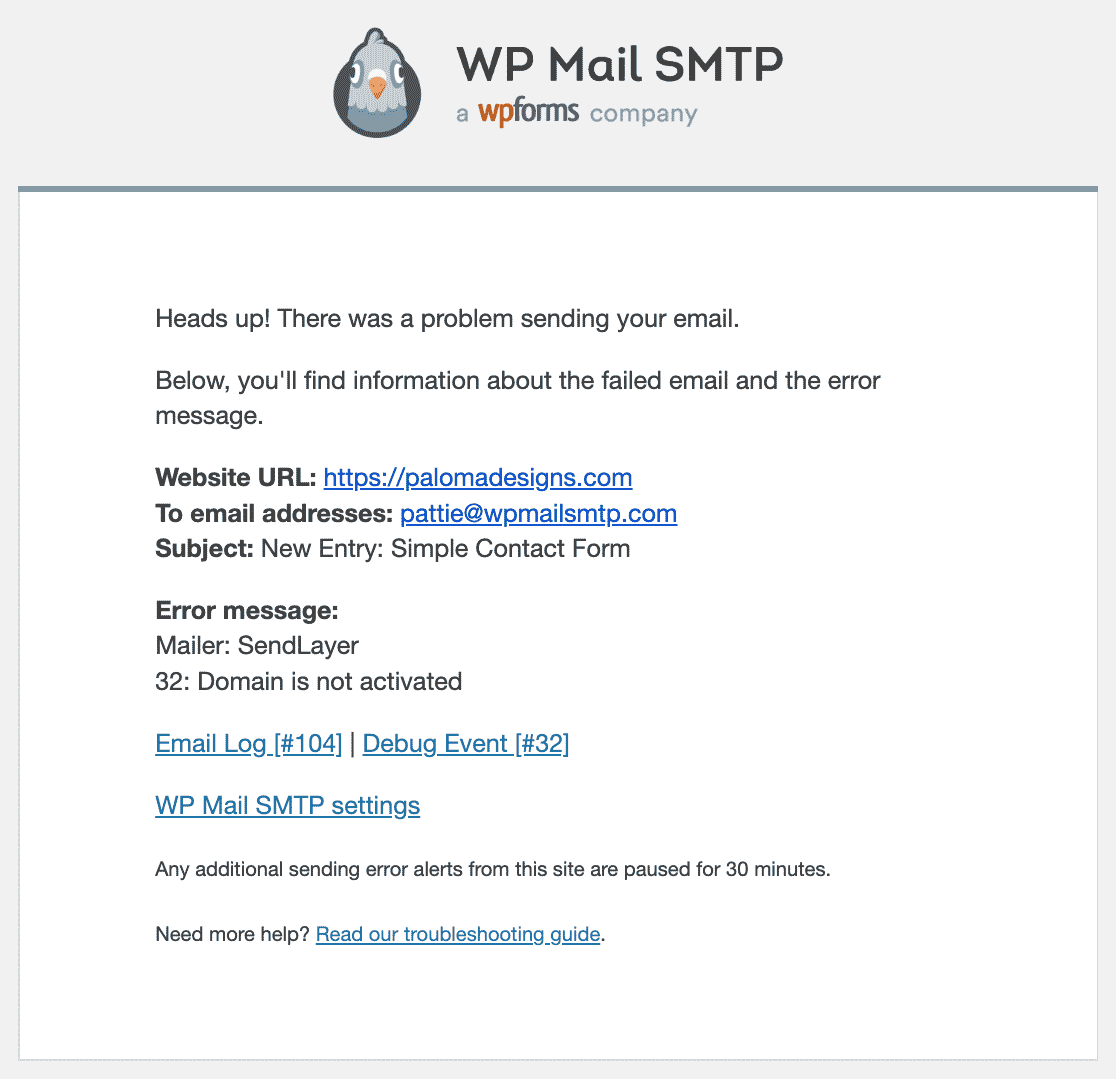
Instant Email Alerts are also recommended. They let you know if your site fails to send an email so you can quickly diagnose and resolve the problem.
Once email logging is enabled, you can also save the full content of your emails, resend failed emails from your forms, store attachments uploaded through Elementor forms, and track email opens and clicks for Elementor form notifications. Check out how to log your WordPress emails to learn more.
When you complete the Setup Wizard, you’ll receive an automatic test email confirming everything’s fixed.
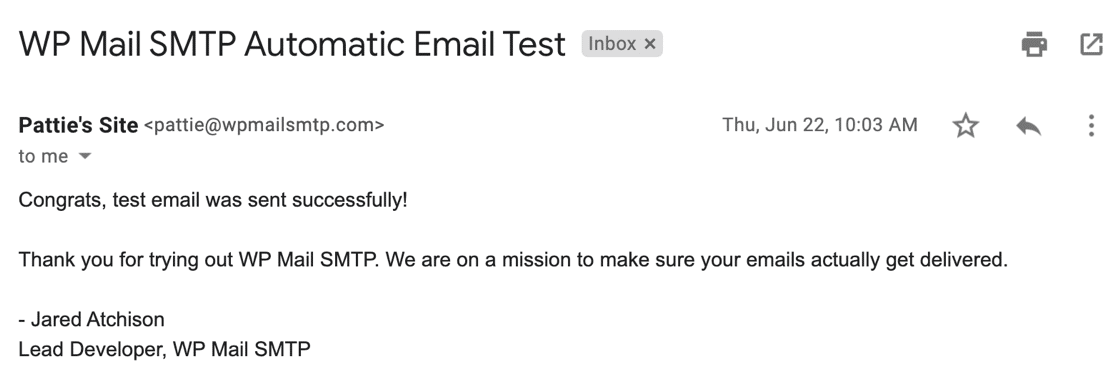
That’s it! Your Elementor form should now be working. Let’s look at a way to test it.
Step 5: Send a Test Email From WP Mail SMTP
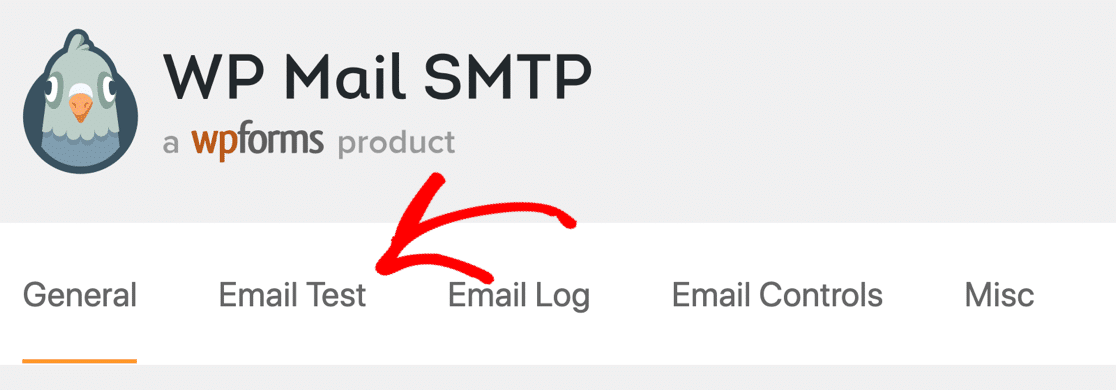
Once you’ve received your first test email from WP Mail SMTP, that’s a good sign things are working. But if you ever want to double-check later, you can send another test email manually. Head to the Email Test tab inside your WP Mail SMTP settings.
Enter any email address you want to test with and click Send Email. Behind the scenes, the plugin checks whether your domain is properly set up to send email.
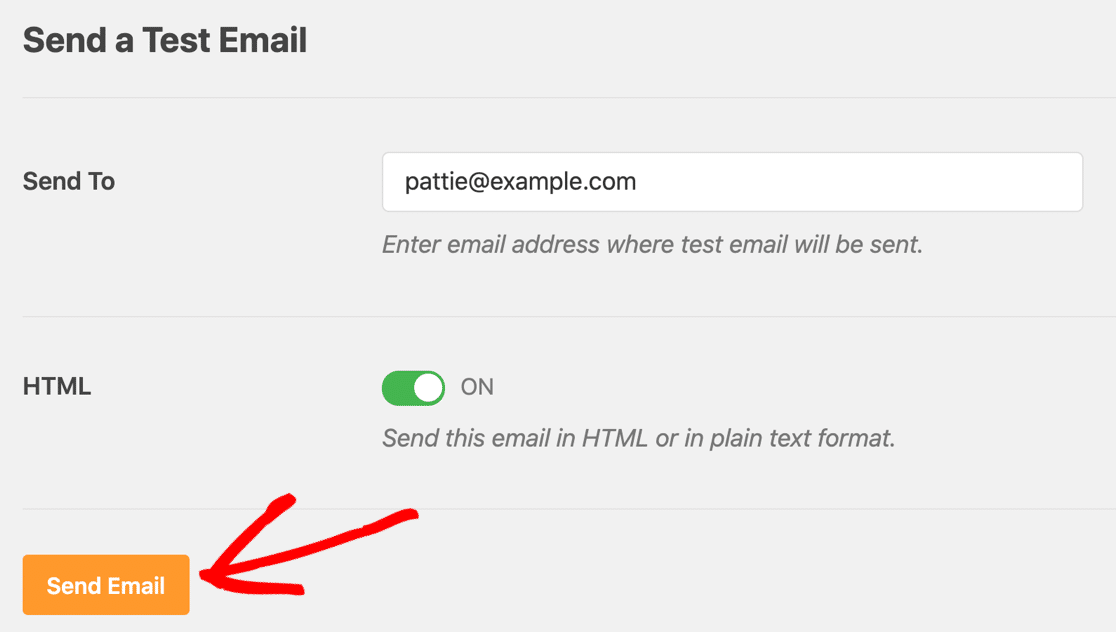
I’ve seen this tool catch issues that would’ve taken hours to figure out otherwise. If you see a green success message, you’re all set. If the message shows up in red, something’s off, but the plugin usually tells you exactly what’s missing, like a missing DNS record or a From Email mismatch.
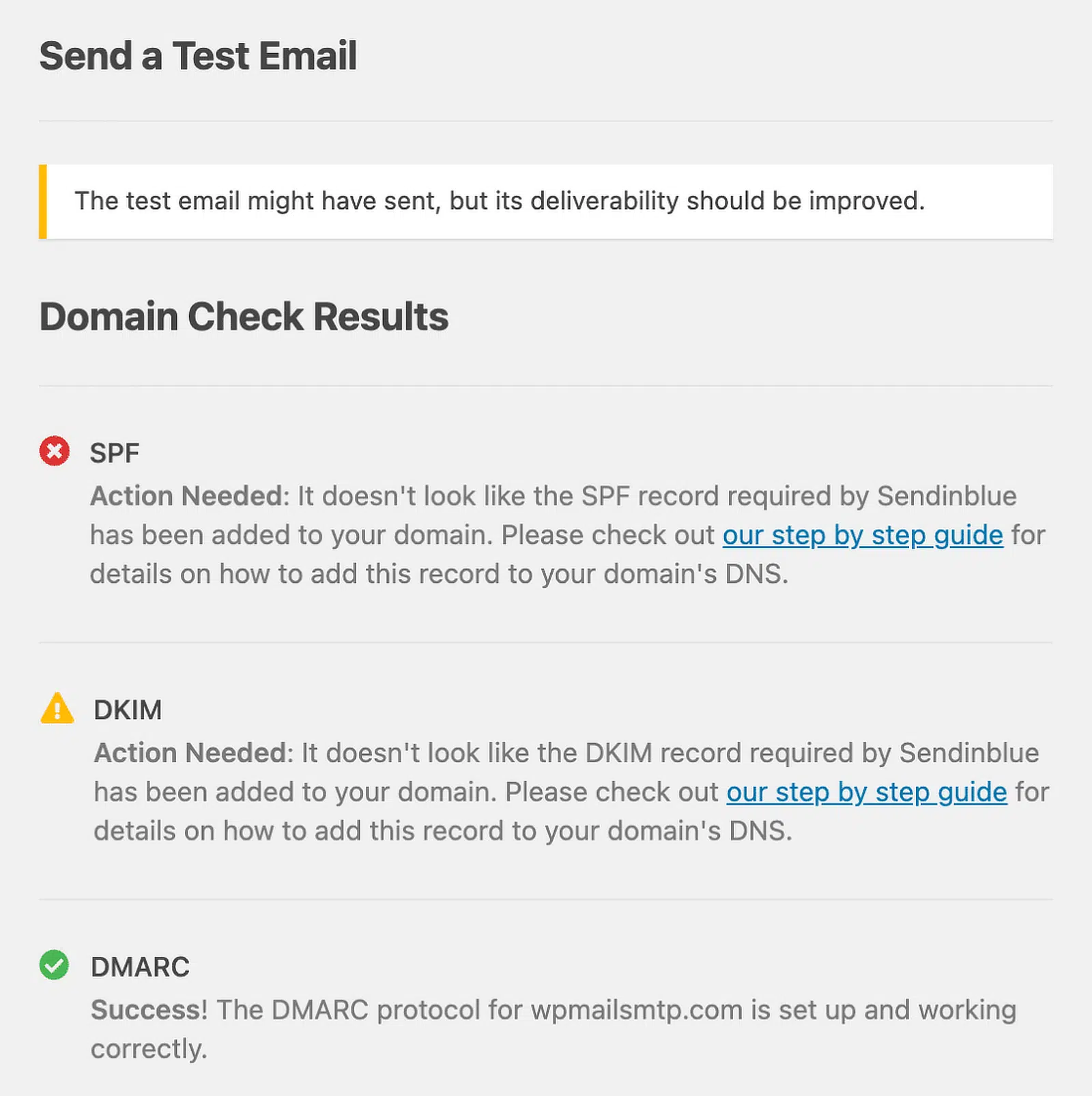
If you have trouble sending a test email, check out this guide on how to fix WP Mail SMTP not sending test email.
Step 6: Resend Failed Elementor Form Emails
Even when everything looks good, there might be rare moments when your emails don’t go through, maybe the SMTP server is having a moment or the connection briefly dropped. The good news is that WP Mail SMTP lets you resend failed emails instead of starting from scratch. Go to WP Mail SMTP » Email Log from your WordPress dashboard.
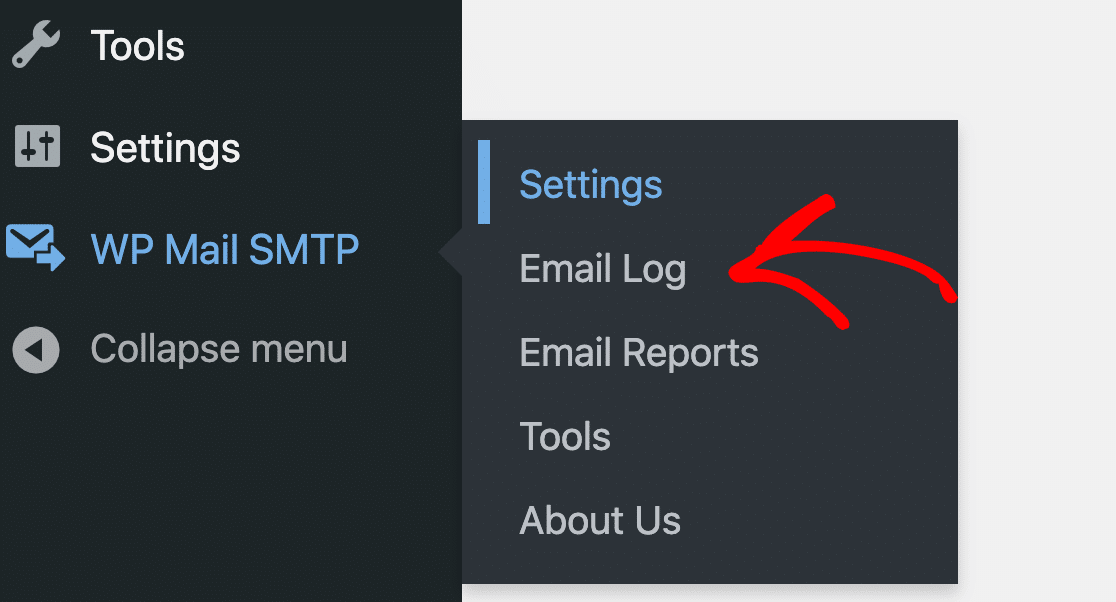
If an email fails to send, you’ll see a red dot next to it in the log. Click View Log next to the failed email to open its details.

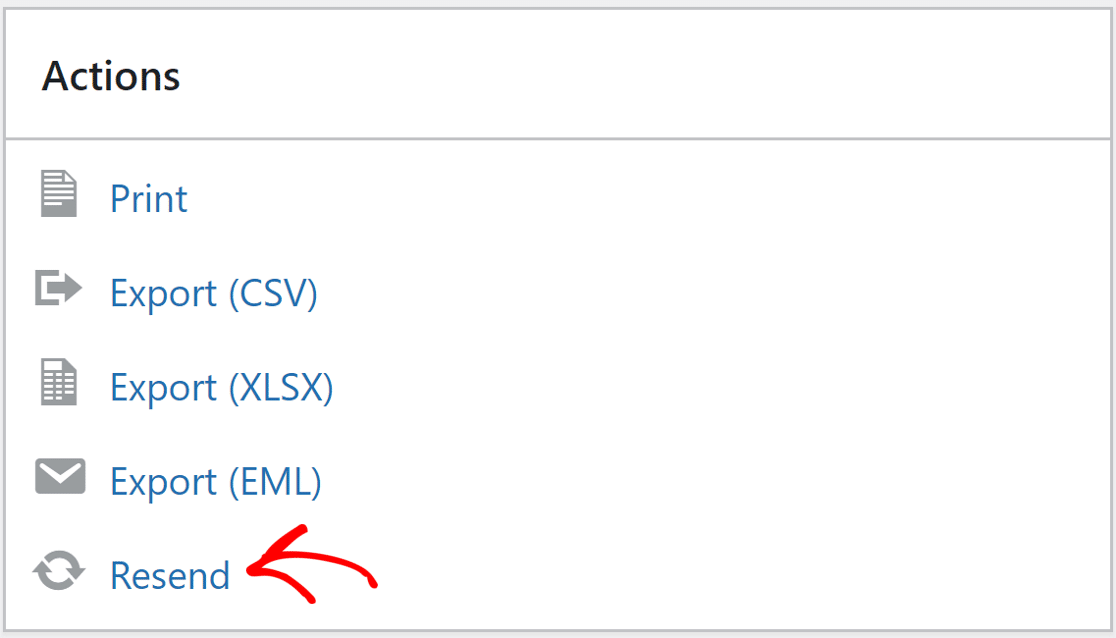
On the right side, under the Actions section, you’ll find the Resend button.
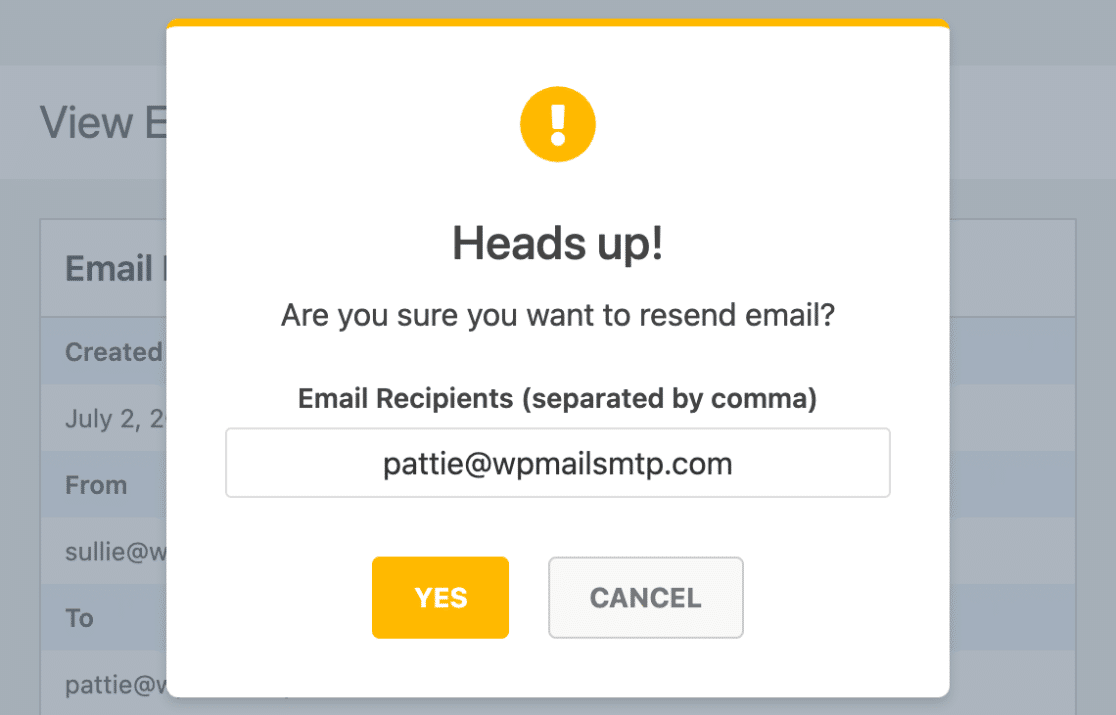
If needed, you can update the email address before resending, which is useful if the original had a typo. When you’re ready, confirm by clicking YES, and your email will be sent again.
And that’s it! You’ve fixed your Elementor form not sending email.
FAQ on Elementor Contact Form Not Sending Email
Looking for more answers? Here are a few common questions about Elementor email sending issues.
What does “Server error. Form not sent” mean?
If you’re getting a “Server error. Form not sent” message in Elementor, this is most likely a wp_mail() configuration issue. By default, wp_mail() uses PHP to send email, but most web hosts keep PHP mail disabled for security. To fix it, install WP Mail SMTP, which reconfigures wp_mail() to use SMTP instead of PHP. Follow the steps above and you should no longer see the server error.
How do I send confirmation emails to users after form submission in Elementor?
To set up confirmation emails in Elementor Forms, add the form widget to your page, then go to Actions After Submit » Add Action and add Email. This opens a menu where you can customize the subject, body content, From Name, and email address. If you’re facing email issues, though, those confirmation emails will fail to send until you install WP Mail SMTP to fix delivery.
What are the best SMTP settings for Elementor Forms?
Elementor doesn’t include its own SMTP setup, but it works with SMTP plugins like WP Mail SMTP. After installing WP Mail SMTP, connect your mailer and make sure your domain has SPF and DKIM records set up, which helps your forms send email more reliably.
Why are my Elementor form emails not reaching Gmail?
If Gmail isn’t receiving your form emails, or they’re going to spam, it’s likely due to missing authentication. You’ll need to set up SPF and DKIM records on your domain. Most mailers give you these settings during setup.
Will WP Mail SMTP work with Elementor Pro?
Yes. It works with both the free and Pro versions of Elementor, and it supports popular mailers like Gmail, Outlook, SendLayer, and SMTP.com.
Next, Check Your SPF, DKIM, and DMARC Records
Email servers often use SPF, DKIM, and DMARC records to authenticate emails. WP Mail SMTP checks your DNS settings and alerts you if it detects a problem.
SPF records are simple TXT records that validate outgoing emails to prevent domain spoofing. If you need more than one SPF record, see this guide to merge multiple SPF records into one. And if you’re a Visual Form Builder user facing email errors, see Visual Form Builder email not sending.
Ready to fix your emails? Get started today with the best WordPress SMTP plugin. If you don’t have the time to fix your emails, you can get full White Glove Setup assistance as an extra purchase, and there’s a 14-day money-back guarantee for all paid plans.
